This is a simpler version for those busy weeknights when you still want grilled pork belly. The marinade comes together quickly, and the pork only needs to marinate for about 30 minutes. Quick, easy, and still delicious.
Easy Liempo Inihaw Recipe
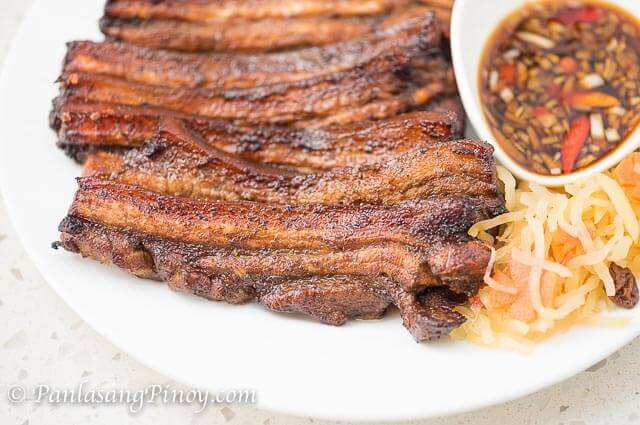
No outdoor grill? No problem. This recipe shows you how to get that grilled flavor using your oven. I use the broiler to mimic the high heat of a grill, and the results are surprisingly close to the real thing. Great for apartment living or rainy days.
Braised pork belly is comfort food at its finest. The long, slow cooking turns the meat incredibly tender and allows it to soak up all the flavors of the sauce. These are the dishes I make when I want something hearty and satisfying, especially on cold or rainy days.

This is the iconic Filipino dish that needs no introduction. Pork belly simmers in a mixture of soy sauce, vinegar, garlic, and bay leaves until tender. The sauce is savory, slightly tangy, and absolutely delicious over rice. This recipe is how I have been making adobo for years, and it never disappoints.
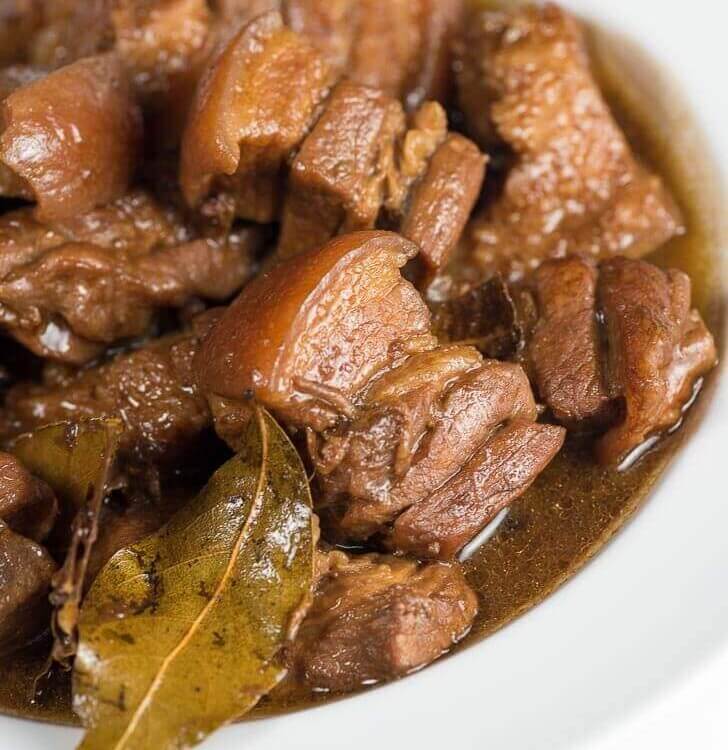
This is my stripped down version using just the core ingredients. No fancy additions, just the essential flavors that make adobo so good. I like to infuse the oil with garlic and bay leaves at the start, which makes the whole dish more aromatic. If you want to learn the fundamentals of adobo, start here.
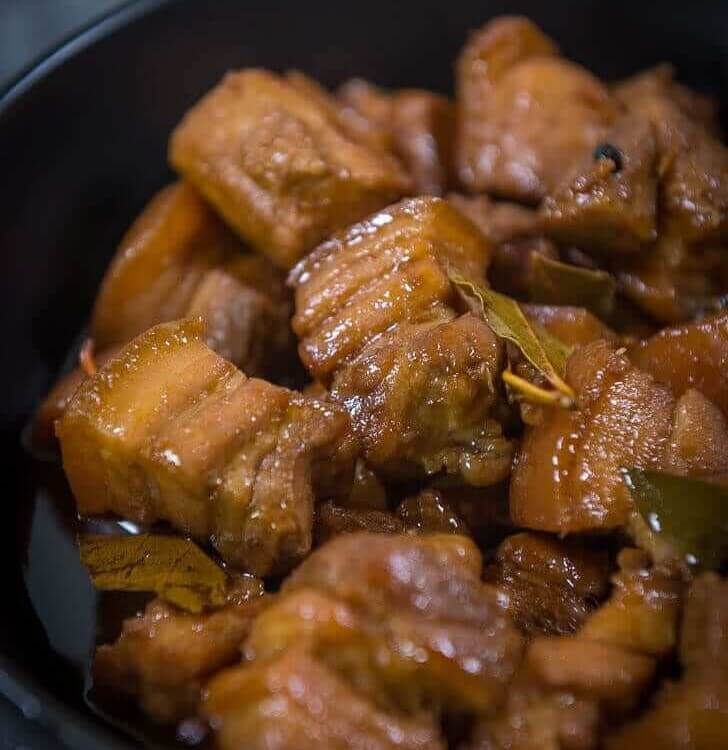
Adding cola to adobo might sound unusual, but it works beautifully. The cola adds sweetness and helps tenderize the meat, giving the adobo a flavor similar to humba. This is a fun twist on the classic that my family really enjoys.

This is a dry version of adobo where the sauce is reduced until the pork is coated in a glossy, flavorful glaze. The pineapple juice in the marinade adds a subtle sweetness and helps tenderize the meat. The result is pork that is rich, slightly sweet, and incredibly tender. The name means “oily adobo” in Filipino.
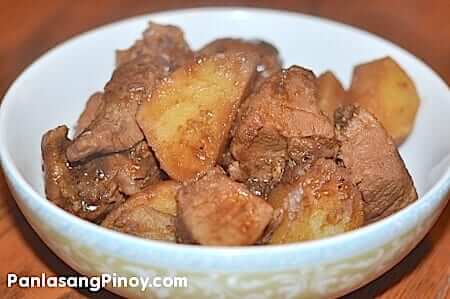
Adding potatoes to adobo stretches the dish and makes it even more satisfying. The potatoes absorb the adobo sauce and become just as flavorful as the meat. This is a great way to make a little pork belly feed more people, and kids love it.
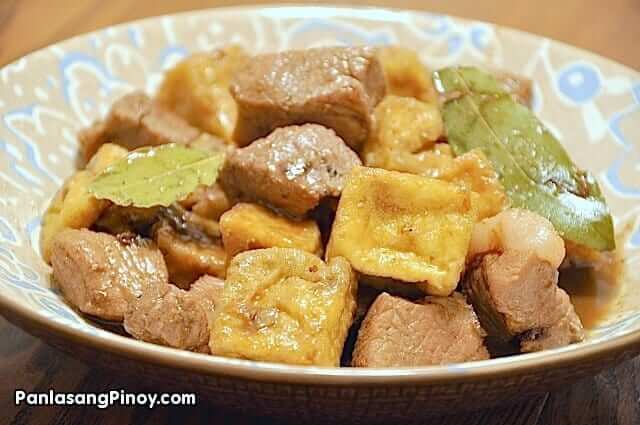
I developed this recipe when I wanted to eat a little less meat but still enjoy adobo. The fried tofu soaks up the sauce and adds a nice texture contrast to the tender pork. It is a good compromise when you want something lighter but still satisfying.
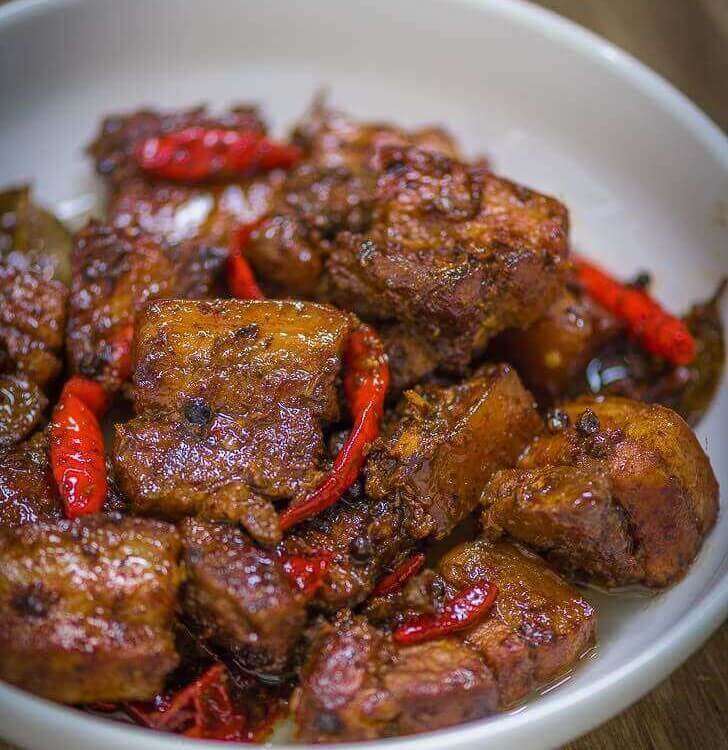
This is for those who love heat. I use ghost peppers to make this adobo extremely spicy. The sauce is cooked down until almost dry, leaving the pork coated in a spicy, flavorful glaze. Have a glass of milk ready. This makes excellent pulutan (beer food).

Humba is the Visayan version of braised pork belly. It is sweeter than adobo, with brown sugar, pineapple juice, and banana blossoms in the mix. The salted black beans (tausi) give it a unique savory depth that sets it apart from regular adobo. This is one of my favorite comfort foods.
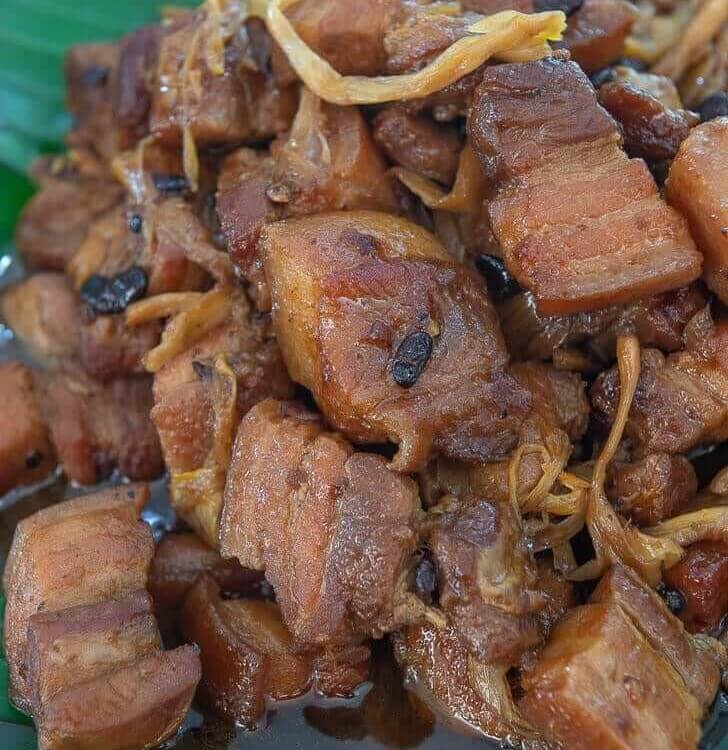
This version uses cola instead of pineapple juice for the sweetness, which is how they make it in some parts of the Visayas. The cola caramelizes as it cooks and gives the pork a beautiful dark color. A regional twist on a regional dish.
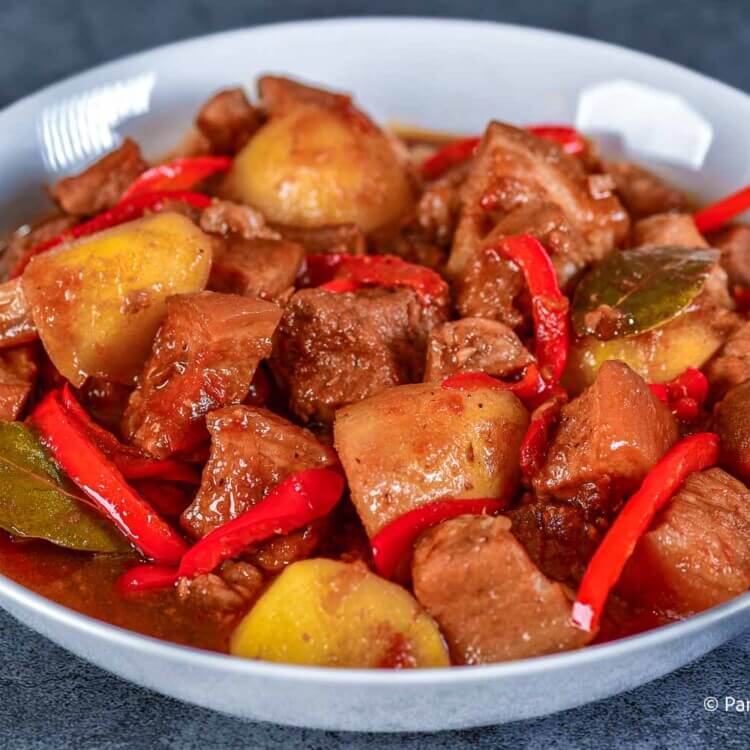
This is a soy and oyster sauce braised pork belly with potatoes and bell peppers. The braising liquid becomes a rich, savory sauce that goes perfectly with rice. I love how the potatoes become soft and absorb all that flavor. A hearty one pot meal.
These recipes do not fit neatly into one category, but they are all wonderful ways to enjoy pork belly. Some combine different cooking methods, while others pair pork belly with vegetables and other ingredients for complete meals.
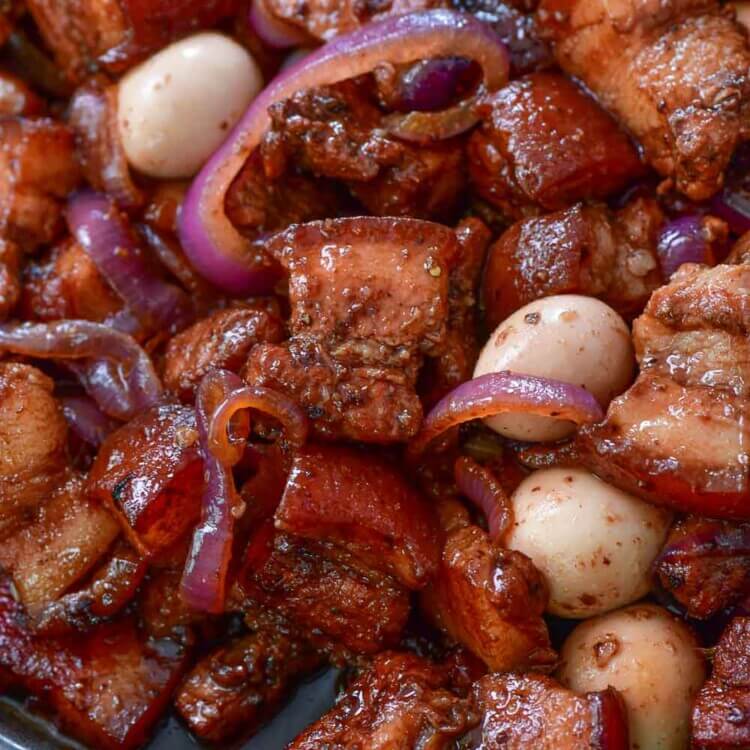
This dish simmers pork belly in a savory oyster sauce until tender, then adds boiled eggs at the end. The eggs soak up the sauce and become beautifully flavored. It reminds me of the braised pork dishes you find at Chinese restaurants. Great for meal prep since it reheats well.
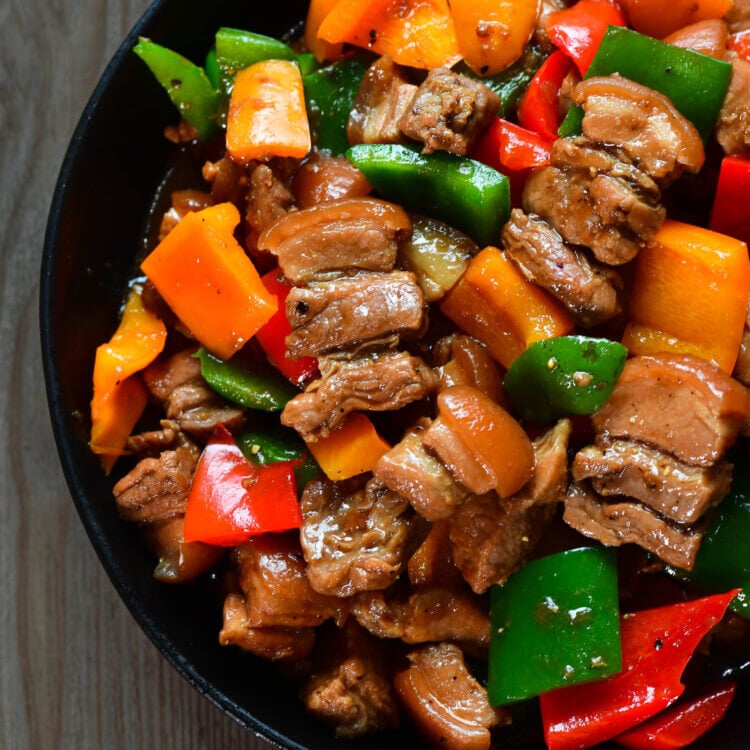
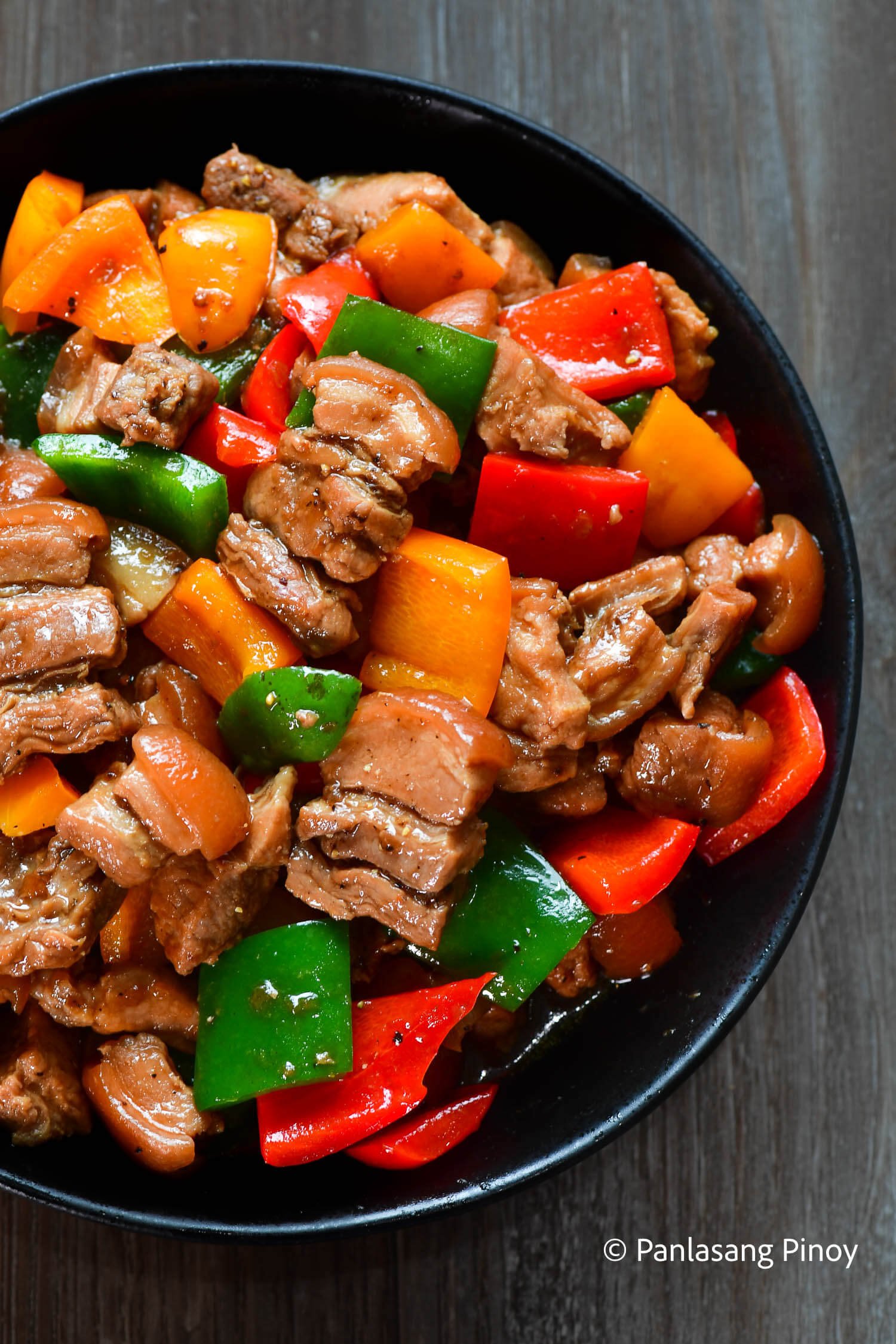
This is a quick stir fry of pork belly with colorful bell peppers. The pork is cooked in soy sauce and oyster sauce until tender, then the peppers are added for crunch and color. It comes together in about 30 minutes, making it perfect for busy weeknights.
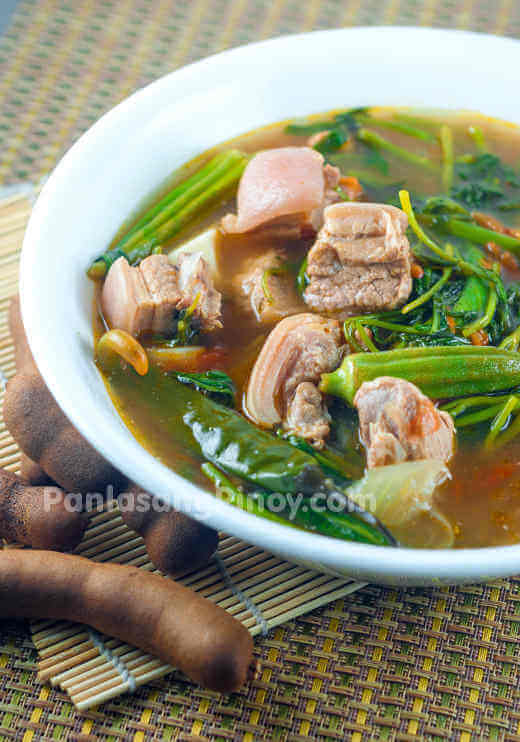
This is the classic sour soup made with pork belly and tamarind. The sourness of the broth cuts through the richness of the pork belly perfectly. I add lots of vegetables like kangkong, string beans, radish, and eggplant. One of the most comforting Filipino soups.
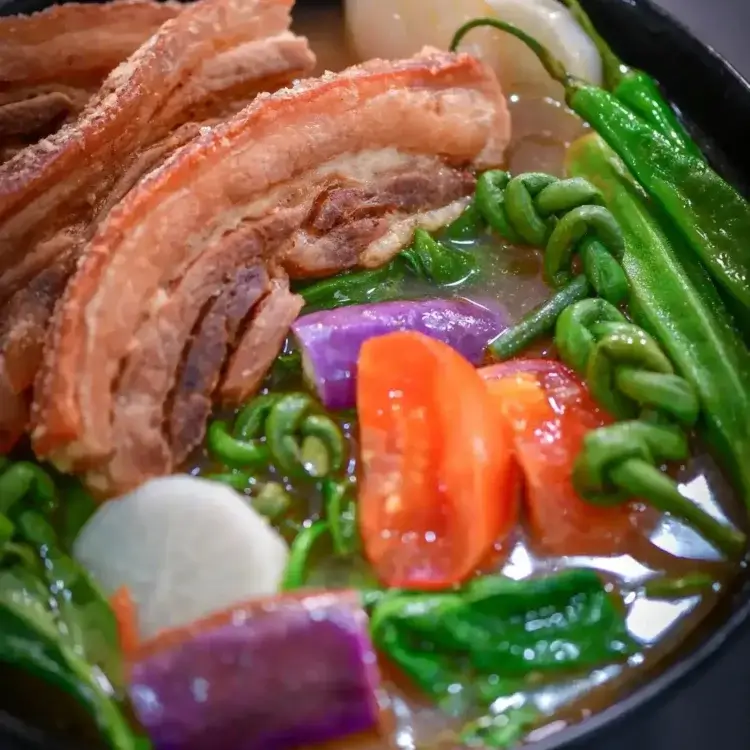
This creative dish combines two Filipino favorites: crispy liempo and sinigang. The pork belly is marinated with sinigang mix, air dried, then fried until crispy. It is served with sinigang soup and vegetables on the side. Best of both worlds in one meal.

This is what I make when I have leftover lechon kawali. The crispy pork is simmered in vinegar and lechon sauce until tender and flavorful. It is a great way to transform leftovers into something new. The sauce becomes rich and slightly sweet.
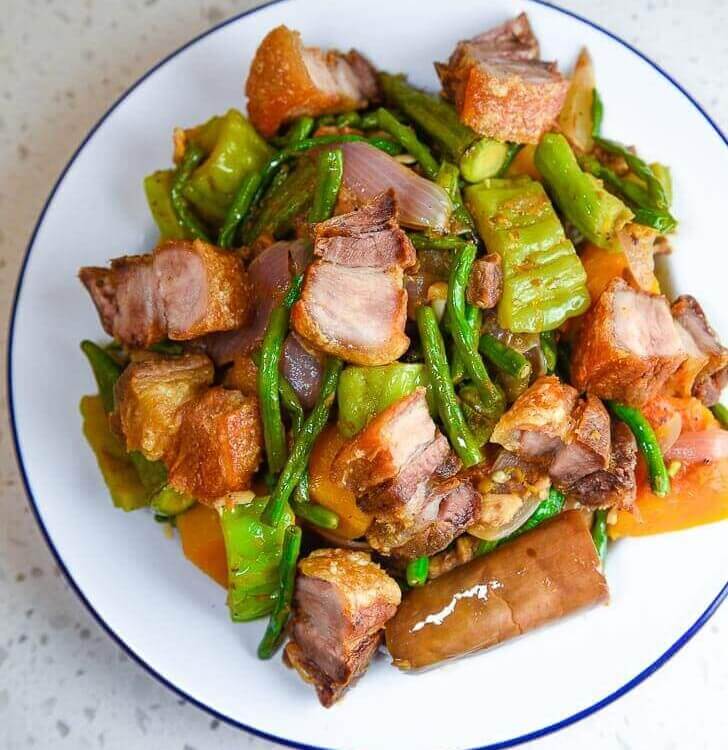
Pinakbet is a vegetable dish, but adding crispy lechon kawali takes it to another level. The crispy pork adds richness and texture that complements the vegetables perfectly. This is one of my favorite ways to eat pinakbet. The combination of vegetables and crispy pork is so satisfying.
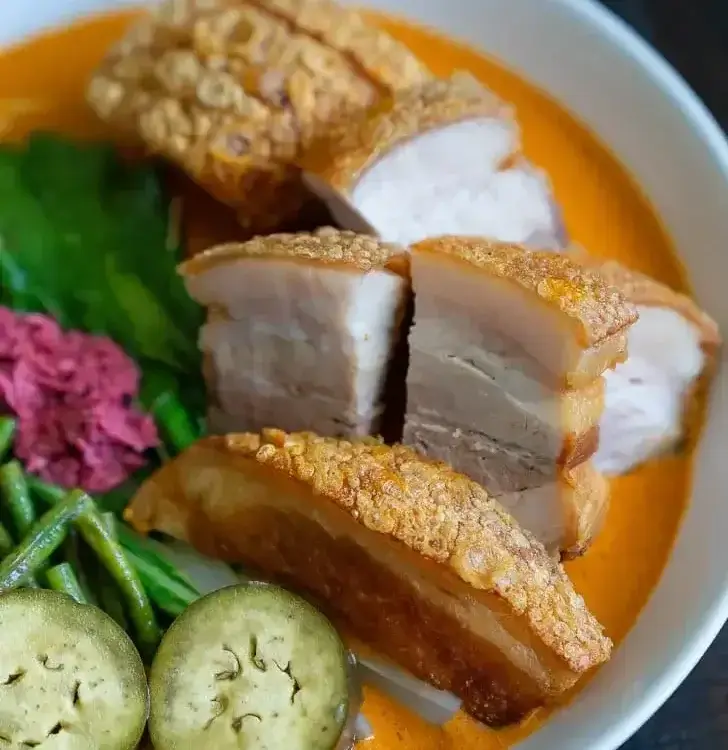
This is kare kare made with crispy pork belly instead of the usual oxtail. The pork is fried until crispy, then served with the rich peanut sauce and vegetables. The contrast between the crispy pork and creamy sauce is amazing. Serve it with bagoong on the side.
After cooking pork belly for over 30 years, I have learned a few things that make a big difference in the final result. Here are my best tips that will help you get great results no matter which recipe you choose:
Pork belly is rich and flavorful, so I like to serve it with things that balance out that richness. Here are my favorite pairings:

Rice is essential with pork belly. Here are some options:

The right dipping sauce can elevate your pork belly:
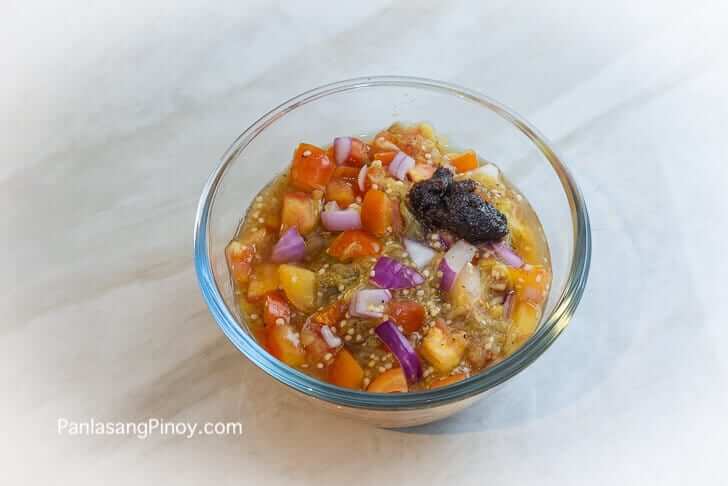
Pickled dishes cut through the richness of pork belly:
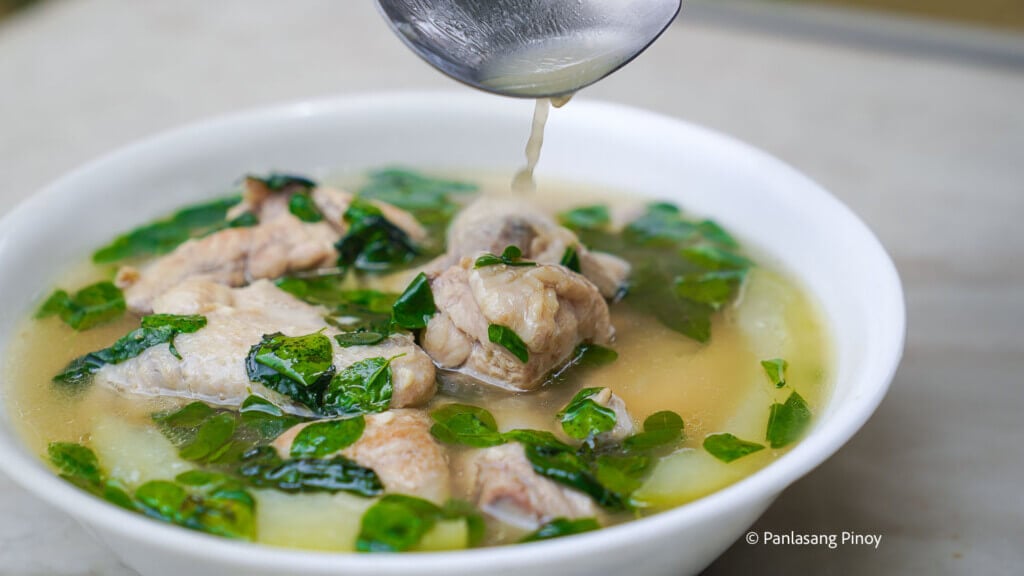
A bowl of soup on the side helps balance a rich pork belly meal:
Let the pork belly cool to room temperature (but not more than 2 hours), then store in an airtight container in the refrigerator. It will keep for 3 to 4 days. For braised dishes like adobo, store the pork in its sauce to keep it moist.
Pork belly freezes well for up to 3 months. Here is how I do it:
The air fryer is the best way to reheat crispy pork belly and restore its crunch:
You can also use the oven:
Both are crispy fried pork belly, but there are some differences. Lechon kawali is usually seasoned before frying with salt, pepper, and aromatics in the boiling liquid. Traditional bagnet from Ilocos uses no seasoning at all. The pork is simply boiled and fried, letting the natural pork flavor shine through. Bagnet is also typically fried longer for extra crispiness and is traditionally served with bagoong.
Yes, you can use the oven or air fryer. For oven roasting, cook the pork belly at low temperature (325F to 350F) until tender, then blast it with high heat (450F or higher) to crisp up the skin. Air frying also works well for smaller pieces. Check out my Crispy Pork Belly Chips recipe for an air fryer method. The results are not exactly the same as deep frying, but still delicious.
Rubbery skin usually means one of these issues:
For best results, dry the skin in the fridge overnight and make sure your oil is at the right temperature (around 350F) before frying.
For braised recipes like adobo and humba, pork shoulder or pork butt can work. They are leaner but still have enough fat to stay moist during long cooking. For crispy recipes like lechon kawali, pork belly is really the best choice because of the skin and fat content that makes the crackling possible.
It depends on the recipe:
The pork was probably not boiled long enough before frying. The meat needs to be tender before it goes into the oil. If it is tough after frying, there is no way to fix it. Next time, boil longer until a fork slides in easily with no resistance. For a 2 pound piece of pork belly, this usually takes 45 minutes to 1 hour.
Yes, skinless pork belly works fine for braised dishes. For crispy recipes, you will not get the crackling, but the meat will still be delicious. The fat in pork belly keeps it moist and flavorful even without the skin.
I hope this collection helps you find your new favorite pork belly recipe. Each one has been tested and enjoyed by my family over the years, and I know you will love them too. If you have questions about any of these recipes or want to share how yours turned out, leave a comment below and I will do my best to help.
Happy cooking!

This is the traditional Filipino grilled pork belly that you find at barbecue stands all over the Philippines. The marinade has soy sauce, calamansi (or lemon), garlic, and black pepper. I serve it with atchara on the side.

This is a simpler version for those busy weeknights when you still want grilled pork belly. The marinade comes together quickly, and the pork only needs to marinate for about 30 minutes. Quick, easy, and still delicious.
No outdoor grill? No problem. This recipe shows you how to get that grilled flavor using your oven. I use the broiler to mimic the high heat of a grill, and the results are surprisingly close to the real thing. Great for apartment living or rainy days.
Braised pork belly is comfort food at its finest. The long, slow cooking turns the meat incredibly tender and allows it to soak up all the flavors of the sauce. These are the dishes I make when I want something hearty and satisfying, especially on cold or rainy days.
This is the iconic Filipino dish that needs no introduction. Pork belly simmers in a mixture of soy sauce, vinegar, garlic, and bay leaves until tender. The sauce is savory, slightly tangy, and absolutely delicious over rice. This recipe is how I have been making adobo for years, and it never disappoints.
This is my stripped down version using just the core ingredients. No fancy additions, just the essential flavors that make adobo so good. I like to infuse the oil with garlic and bay leaves at the start, which makes the whole dish more aromatic. If you want to learn the fundamentals of adobo, start here.
Adding cola to adobo might sound unusual, but it works beautifully. The cola adds sweetness and helps tenderize the meat, giving the adobo a flavor similar to humba. This is a fun twist on the classic that my family really enjoys.
This is a dry version of adobo where the sauce is reduced until the pork is coated in a glossy, flavorful glaze. The pineapple juice in the marinade adds a subtle sweetness and helps tenderize the meat. The result is pork that is rich, slightly sweet, and incredibly tender. The name means “oily adobo” in Filipino.
Adding potatoes to adobo stretches the dish and makes it even more satisfying. The potatoes absorb the adobo sauce and become just as flavorful as the meat. This is a great way to make a little pork belly feed more people, and kids love it.
I developed this recipe when I wanted to eat a little less meat but still enjoy adobo. The fried tofu soaks up the sauce and adds a nice texture contrast to the tender pork. It is a good compromise when you want something lighter but still satisfying.
This is for those who love heat. I use ghost peppers to make this adobo extremely spicy. The sauce is cooked down until almost dry, leaving the pork coated in a spicy, flavorful glaze. Have a glass of milk ready. This makes excellent pulutan (beer food).
Humba is the Visayan version of braised pork belly. It is sweeter than adobo, with brown sugar, pineapple juice, and banana blossoms in the mix. The salted black beans (tausi) give it a unique savory depth that sets it apart from regular adobo. This is one of my favorite comfort foods.
This version uses cola instead of pineapple juice for the sweetness, which is how they make it in some parts of the Visayas. The cola caramelizes as it cooks and gives the pork a beautiful dark color. A regional twist on a regional dish.
This is a soy and oyster sauce braised pork belly with potatoes and bell peppers. The braising liquid becomes a rich, savory sauce that goes perfectly with rice. I love how the potatoes become soft and absorb all that flavor. A hearty one pot meal.
These recipes do not fit neatly into one category, but they are all wonderful ways to enjoy pork belly. Some combine different cooking methods, while others pair pork belly with vegetables and other ingredients for complete meals.
This dish simmers pork belly in a savory oyster sauce until tender, then adds boiled eggs at the end. The eggs soak up the sauce and become beautifully flavored. It reminds me of the braised pork dishes you find at Chinese restaurants. Great for meal prep since it reheats well.
This is a quick stir fry of pork belly with colorful bell peppers. The pork is cooked in soy sauce and oyster sauce until tender, then the peppers are added for crunch and color. It comes together in about 30 minutes, making it perfect for busy weeknights.
This is the classic sour soup made with pork belly and tamarind. The sourness of the broth cuts through the richness of the pork belly perfectly. I add lots of vegetables like kangkong, string beans, radish, and eggplant. One of the most comforting Filipino soups.
This creative dish combines two Filipino favorites: crispy liempo and sinigang. The pork belly is marinated with sinigang mix, air dried, then fried until crispy. It is served with sinigang soup and vegetables on the side. Best of both worlds in one meal.
This is what I make when I have leftover lechon kawali. The crispy pork is simmered in vinegar and lechon sauce until tender and flavorful. It is a great way to transform leftovers into something new. The sauce becomes rich and slightly sweet.
Pinakbet is a vegetable dish, but adding crispy lechon kawali takes it to another level. The crispy pork adds richness and texture that complements the vegetables perfectly. This is one of my favorite ways to eat pinakbet. The combination of vegetables and crispy pork is so satisfying.
This is kare kare made with crispy pork belly instead of the usual oxtail. The pork is fried until crispy, then served with the rich peanut sauce and vegetables. The contrast between the crispy pork and creamy sauce is amazing. Serve it with bagoong on the side.
After cooking pork belly for over 30 years, I have learned a few things that make a big difference in the final result. Here are my best tips that will help you get great results no matter which recipe you choose:
Pork belly is rich and flavorful, so I like to serve it with things that balance out that richness. Here are my favorite pairings:
Rice is essential with pork belly. Here are some options:
The right dipping sauce can elevate your pork belly:
Pickled dishes cut through the richness of pork belly:
A bowl of soup on the side helps balance a rich pork belly meal:
Let the pork belly cool to room temperature (but not more than 2 hours), then store in an airtight container in the refrigerator. It will keep for 3 to 4 days. For braised dishes like adobo, store the pork in its sauce to keep it moist.
Pork belly freezes well for up to 3 months. Here is how I do it:
The air fryer is the best way to reheat crispy pork belly and restore its crunch:
You can also use the oven:
Both are crispy fried pork belly, but there are some differences. Lechon kawali is usually seasoned before frying with salt, pepper, and aromatics in the boiling liquid. Traditional bagnet from Ilocos uses no seasoning at all. The pork is simply boiled and fried, letting the natural pork flavor shine through. Bagnet is also typically fried longer for extra crispiness and is traditionally served with bagoong.
Yes, you can use the oven or air fryer. For oven roasting, cook the pork belly at low temperature (325F to 350F) until tender, then blast it with high heat (450F or higher) to crisp up the skin. Air frying also works well for smaller pieces. Check out my Crispy Pork Belly Chips recipe for an air fryer method. The results are not exactly the same as deep frying, but still delicious.
Rubbery skin usually means one of these issues:
For best results, dry the skin in the fridge overnight and make sure your oil is at the right temperature (around 350F) before frying.
For braised recipes like adobo and humba, pork shoulder or pork butt can work. They are leaner but still have enough fat to stay moist during long cooking. For crispy recipes like lechon kawali, pork belly is really the best choice because of the skin and fat content that makes the crackling possible.
It depends on the recipe:
The pork was probably not boiled long enough before frying. The meat needs to be tender before it goes into the oil. If it is tough after frying, there is no way to fix it. Next time, boil longer until a fork slides in easily with no resistance. For a 2 pound piece of pork belly, this usually takes 45 minutes to 1 hour.
Yes, skinless pork belly works fine for braised dishes. For crispy recipes, you will not get the crackling, but the meat will still be delicious. The fat in pork belly keeps it moist and flavorful even without the skin.
I hope this collection helps you find your new favorite pork belly recipe. Each one has been tested and enjoyed by my family over the years, and I know you will love them too. If you have questions about any of these recipes or want to share how yours turned out, leave a comment below and I will do my best to help.
Happy cooking!
Grilled pork belly has a smoky, charred flavor that you cannot get from any other cooking method. The marinade caramelizes on the grill and creates those irresistible grill marks. These recipes are perfect for backyard barbecues, outdoor gatherings, or anytime you want that grilled flavor.
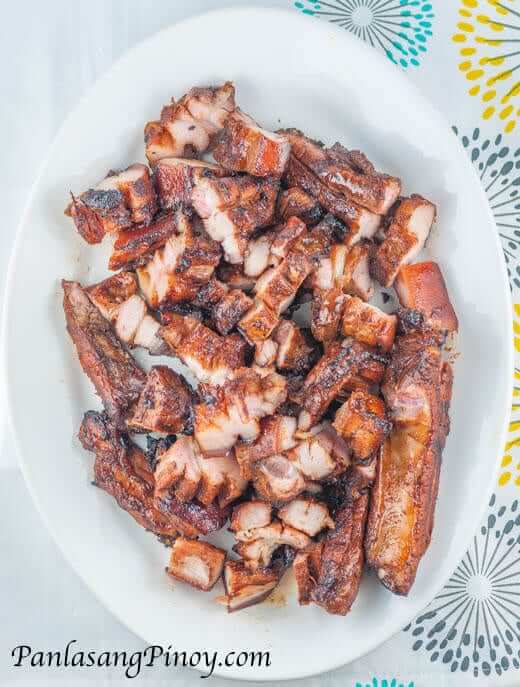
This is my basic grilled pork belly recipe with a simple but flavorful marinade. The pork marinates for at least an hour in soy sauce, garlic, and spices, then goes on the grill. I baste it with the remaining marinade while grilling for extra flavor. Serve it with sinangag and a fried egg for a complete meal.
This is the traditional Filipino grilled pork belly that you find at barbecue stands all over the Philippines. The marinade has soy sauce, calamansi (or lemon), garlic, and black pepper. I serve it with atchara on the side.
This is a simpler version for those busy weeknights when you still want grilled pork belly. The marinade comes together quickly, and the pork only needs to marinate for about 30 minutes. Quick, easy, and still delicious.
No outdoor grill? No problem. This recipe shows you how to get that grilled flavor using your oven. I use the broiler to mimic the high heat of a grill, and the results are surprisingly close to the real thing. Great for apartment living or rainy days.
Braised pork belly is comfort food at its finest. The long, slow cooking turns the meat incredibly tender and allows it to soak up all the flavors of the sauce. These are the dishes I make when I want something hearty and satisfying, especially on cold or rainy days.
This is the iconic Filipino dish that needs no introduction. Pork belly simmers in a mixture of soy sauce, vinegar, garlic, and bay leaves until tender. The sauce is savory, slightly tangy, and absolutely delicious over rice. This recipe is how I have been making adobo for years, and it never disappoints.
This is my stripped down version using just the core ingredients. No fancy additions, just the essential flavors that make adobo so good. I like to infuse the oil with garlic and bay leaves at the start, which makes the whole dish more aromatic. If you want to learn the fundamentals of adobo, start here.
Adding cola to adobo might sound unusual, but it works beautifully. The cola adds sweetness and helps tenderize the meat, giving the adobo a flavor similar to humba. This is a fun twist on the classic that my family really enjoys.
This is a dry version of adobo where the sauce is reduced until the pork is coated in a glossy, flavorful glaze. The pineapple juice in the marinade adds a subtle sweetness and helps tenderize the meat. The result is pork that is rich, slightly sweet, and incredibly tender. The name means “oily adobo” in Filipino.
Adding potatoes to adobo stretches the dish and makes it even more satisfying. The potatoes absorb the adobo sauce and become just as flavorful as the meat. This is a great way to make a little pork belly feed more people, and kids love it.
I developed this recipe when I wanted to eat a little less meat but still enjoy adobo. The fried tofu soaks up the sauce and adds a nice texture contrast to the tender pork. It is a good compromise when you want something lighter but still satisfying.
This is for those who love heat. I use ghost peppers to make this adobo extremely spicy. The sauce is cooked down until almost dry, leaving the pork coated in a spicy, flavorful glaze. Have a glass of milk ready. This makes excellent pulutan (beer food).
Humba is the Visayan version of braised pork belly. It is sweeter than adobo, with brown sugar, pineapple juice, and banana blossoms in the mix. The salted black beans (tausi) give it a unique savory depth that sets it apart from regular adobo. This is one of my favorite comfort foods.
This version uses cola instead of pineapple juice for the sweetness, which is how they make it in some parts of the Visayas. The cola caramelizes as it cooks and gives the pork a beautiful dark color. A regional twist on a regional dish.
This is a soy and oyster sauce braised pork belly with potatoes and bell peppers. The braising liquid becomes a rich, savory sauce that goes perfectly with rice. I love how the potatoes become soft and absorb all that flavor. A hearty one pot meal.
These recipes do not fit neatly into one category, but they are all wonderful ways to enjoy pork belly. Some combine different cooking methods, while others pair pork belly with vegetables and other ingredients for complete meals.
This dish simmers pork belly in a savory oyster sauce until tender, then adds boiled eggs at the end. The eggs soak up the sauce and become beautifully flavored. It reminds me of the braised pork dishes you find at Chinese restaurants. Great for meal prep since it reheats well.
This is a quick stir fry of pork belly with colorful bell peppers. The pork is cooked in soy sauce and oyster sauce until tender, then the peppers are added for crunch and color. It comes together in about 30 minutes, making it perfect for busy weeknights.
This is the classic sour soup made with pork belly and tamarind. The sourness of the broth cuts through the richness of the pork belly perfectly. I add lots of vegetables like kangkong, string beans, radish, and eggplant. One of the most comforting Filipino soups.
This creative dish combines two Filipino favorites: crispy liempo and sinigang. The pork belly is marinated with sinigang mix, air dried, then fried until crispy. It is served with sinigang soup and vegetables on the side. Best of both worlds in one meal.
This is what I make when I have leftover lechon kawali. The crispy pork is simmered in vinegar and lechon sauce until tender and flavorful. It is a great way to transform leftovers into something new. The sauce becomes rich and slightly sweet.
Pinakbet is a vegetable dish, but adding crispy lechon kawali takes it to another level. The crispy pork adds richness and texture that complements the vegetables perfectly. This is one of my favorite ways to eat pinakbet. The combination of vegetables and crispy pork is so satisfying.
This is kare kare made with crispy pork belly instead of the usual oxtail. The pork is fried until crispy, then served with the rich peanut sauce and vegetables. The contrast between the crispy pork and creamy sauce is amazing. Serve it with bagoong on the side.
After cooking pork belly for over 30 years, I have learned a few things that make a big difference in the final result. Here are my best tips that will help you get great results no matter which recipe you choose:
Pork belly is rich and flavorful, so I like to serve it with things that balance out that richness. Here are my favorite pairings:
Rice is essential with pork belly. Here are some options:
The right dipping sauce can elevate your pork belly:
Pickled dishes cut through the richness of pork belly:
A bowl of soup on the side helps balance a rich pork belly meal:
Let the pork belly cool to room temperature (but not more than 2 hours), then store in an airtight container in the refrigerator. It will keep for 3 to 4 days. For braised dishes like adobo, store the pork in its sauce to keep it moist.
Pork belly freezes well for up to 3 months. Here is how I do it:
The air fryer is the best way to reheat crispy pork belly and restore its crunch:
You can also use the oven:
Both are crispy fried pork belly, but there are some differences. Lechon kawali is usually seasoned before frying with salt, pepper, and aromatics in the boiling liquid. Traditional bagnet from Ilocos uses no seasoning at all. The pork is simply boiled and fried, letting the natural pork flavor shine through. Bagnet is also typically fried longer for extra crispiness and is traditionally served with bagoong.
Yes, you can use the oven or air fryer. For oven roasting, cook the pork belly at low temperature (325F to 350F) until tender, then blast it with high heat (450F or higher) to crisp up the skin. Air frying also works well for smaller pieces. Check out my Crispy Pork Belly Chips recipe for an air fryer method. The results are not exactly the same as deep frying, but still delicious.
Rubbery skin usually means one of these issues:
For best results, dry the skin in the fridge overnight and make sure your oil is at the right temperature (around 350F) before frying.
For braised recipes like adobo and humba, pork shoulder or pork butt can work. They are leaner but still have enough fat to stay moist during long cooking. For crispy recipes like lechon kawali, pork belly is really the best choice because of the skin and fat content that makes the crackling possible.
It depends on the recipe:
The pork was probably not boiled long enough before frying. The meat needs to be tender before it goes into the oil. If it is tough after frying, there is no way to fix it. Next time, boil longer until a fork slides in easily with no resistance. For a 2 pound piece of pork belly, this usually takes 45 minutes to 1 hour.
Yes, skinless pork belly works fine for braised dishes. For crispy recipes, you will not get the crackling, but the meat will still be delicious. The fat in pork belly keeps it moist and flavorful even without the skin.
I hope this collection helps you find your new favorite pork belly recipe. Each one has been tested and enjoyed by my family over the years, and I know you will love them too. If you have questions about any of these recipes or want to share how yours turned out, leave a comment below and I will do my best to help.
Happy cooking!
Grilled pork belly has a smoky, charred flavor that you cannot get from any other cooking method. The marinade caramelizes on the grill and creates those irresistible grill marks. These recipes are perfect for backyard barbecues, outdoor gatherings, or anytime you want that grilled flavor.
This is my basic grilled pork belly recipe with a simple but flavorful marinade. The pork marinates for at least an hour in soy sauce, garlic, and spices, then goes on the grill. I baste it with the remaining marinade while grilling for extra flavor. Serve it with sinangag and a fried egg for a complete meal.
This is the traditional Filipino grilled pork belly that you find at barbecue stands all over the Philippines. The marinade has soy sauce, calamansi (or lemon), garlic, and black pepper. I serve it with atchara on the side.
This is a simpler version for those busy weeknights when you still want grilled pork belly. The marinade comes together quickly, and the pork only needs to marinate for about 30 minutes. Quick, easy, and still delicious.
No outdoor grill? No problem. This recipe shows you how to get that grilled flavor using your oven. I use the broiler to mimic the high heat of a grill, and the results are surprisingly close to the real thing. Great for apartment living or rainy days.
Braised pork belly is comfort food at its finest. The long, slow cooking turns the meat incredibly tender and allows it to soak up all the flavors of the sauce. These are the dishes I make when I want something hearty and satisfying, especially on cold or rainy days.
This is the iconic Filipino dish that needs no introduction. Pork belly simmers in a mixture of soy sauce, vinegar, garlic, and bay leaves until tender. The sauce is savory, slightly tangy, and absolutely delicious over rice. This recipe is how I have been making adobo for years, and it never disappoints.
This is my stripped down version using just the core ingredients. No fancy additions, just the essential flavors that make adobo so good. I like to infuse the oil with garlic and bay leaves at the start, which makes the whole dish more aromatic. If you want to learn the fundamentals of adobo, start here.
Adding cola to adobo might sound unusual, but it works beautifully. The cola adds sweetness and helps tenderize the meat, giving the adobo a flavor similar to humba. This is a fun twist on the classic that my family really enjoys.
This is a dry version of adobo where the sauce is reduced until the pork is coated in a glossy, flavorful glaze. The pineapple juice in the marinade adds a subtle sweetness and helps tenderize the meat. The result is pork that is rich, slightly sweet, and incredibly tender. The name means “oily adobo” in Filipino.
Adding potatoes to adobo stretches the dish and makes it even more satisfying. The potatoes absorb the adobo sauce and become just as flavorful as the meat. This is a great way to make a little pork belly feed more people, and kids love it.
I developed this recipe when I wanted to eat a little less meat but still enjoy adobo. The fried tofu soaks up the sauce and adds a nice texture contrast to the tender pork. It is a good compromise when you want something lighter but still satisfying.
This is for those who love heat. I use ghost peppers to make this adobo extremely spicy. The sauce is cooked down until almost dry, leaving the pork coated in a spicy, flavorful glaze. Have a glass of milk ready. This makes excellent pulutan (beer food).
Humba is the Visayan version of braised pork belly. It is sweeter than adobo, with brown sugar, pineapple juice, and banana blossoms in the mix. The salted black beans (tausi) give it a unique savory depth that sets it apart from regular adobo. This is one of my favorite comfort foods.
This version uses cola instead of pineapple juice for the sweetness, which is how they make it in some parts of the Visayas. The cola caramelizes as it cooks and gives the pork a beautiful dark color. A regional twist on a regional dish.
This is a soy and oyster sauce braised pork belly with potatoes and bell peppers. The braising liquid becomes a rich, savory sauce that goes perfectly with rice. I love how the potatoes become soft and absorb all that flavor. A hearty one pot meal.
These recipes do not fit neatly into one category, but they are all wonderful ways to enjoy pork belly. Some combine different cooking methods, while others pair pork belly with vegetables and other ingredients for complete meals.
This dish simmers pork belly in a savory oyster sauce until tender, then adds boiled eggs at the end. The eggs soak up the sauce and become beautifully flavored. It reminds me of the braised pork dishes you find at Chinese restaurants. Great for meal prep since it reheats well.
This is a quick stir fry of pork belly with colorful bell peppers. The pork is cooked in soy sauce and oyster sauce until tender, then the peppers are added for crunch and color. It comes together in about 30 minutes, making it perfect for busy weeknights.
This is the classic sour soup made with pork belly and tamarind. The sourness of the broth cuts through the richness of the pork belly perfectly. I add lots of vegetables like kangkong, string beans, radish, and eggplant. One of the most comforting Filipino soups.
This creative dish combines two Filipino favorites: crispy liempo and sinigang. The pork belly is marinated with sinigang mix, air dried, then fried until crispy. It is served with sinigang soup and vegetables on the side. Best of both worlds in one meal.
This is what I make when I have leftover lechon kawali. The crispy pork is simmered in vinegar and lechon sauce until tender and flavorful. It is a great way to transform leftovers into something new. The sauce becomes rich and slightly sweet.
Pinakbet is a vegetable dish, but adding crispy lechon kawali takes it to another level. The crispy pork adds richness and texture that complements the vegetables perfectly. This is one of my favorite ways to eat pinakbet. The combination of vegetables and crispy pork is so satisfying.
This is kare kare made with crispy pork belly instead of the usual oxtail. The pork is fried until crispy, then served with the rich peanut sauce and vegetables. The contrast between the crispy pork and creamy sauce is amazing. Serve it with bagoong on the side.
After cooking pork belly for over 30 years, I have learned a few things that make a big difference in the final result. Here are my best tips that will help you get great results no matter which recipe you choose:
Pork belly is rich and flavorful, so I like to serve it with things that balance out that richness. Here are my favorite pairings:
Rice is essential with pork belly. Here are some options:
The right dipping sauce can elevate your pork belly:
Pickled dishes cut through the richness of pork belly:
A bowl of soup on the side helps balance a rich pork belly meal:
Let the pork belly cool to room temperature (but not more than 2 hours), then store in an airtight container in the refrigerator. It will keep for 3 to 4 days. For braised dishes like adobo, store the pork in its sauce to keep it moist.
Pork belly freezes well for up to 3 months. Here is how I do it:
The air fryer is the best way to reheat crispy pork belly and restore its crunch:
You can also use the oven:
Both are crispy fried pork belly, but there are some differences. Lechon kawali is usually seasoned before frying with salt, pepper, and aromatics in the boiling liquid. Traditional bagnet from Ilocos uses no seasoning at all. The pork is simply boiled and fried, letting the natural pork flavor shine through. Bagnet is also typically fried longer for extra crispiness and is traditionally served with bagoong.
Yes, you can use the oven or air fryer. For oven roasting, cook the pork belly at low temperature (325F to 350F) until tender, then blast it with high heat (450F or higher) to crisp up the skin. Air frying also works well for smaller pieces. Check out my Crispy Pork Belly Chips recipe for an air fryer method. The results are not exactly the same as deep frying, but still delicious.
Rubbery skin usually means one of these issues:
For best results, dry the skin in the fridge overnight and make sure your oil is at the right temperature (around 350F) before frying.
For braised recipes like adobo and humba, pork shoulder or pork butt can work. They are leaner but still have enough fat to stay moist during long cooking. For crispy recipes like lechon kawali, pork belly is really the best choice because of the skin and fat content that makes the crackling possible.
It depends on the recipe:
The pork was probably not boiled long enough before frying. The meat needs to be tender before it goes into the oil. If it is tough after frying, there is no way to fix it. Next time, boil longer until a fork slides in easily with no resistance. For a 2 pound piece of pork belly, this usually takes 45 minutes to 1 hour.
Yes, skinless pork belly works fine for braised dishes. For crispy recipes, you will not get the crackling, but the meat will still be delicious. The fat in pork belly keeps it moist and flavorful even without the skin.
I hope this collection helps you find your new favorite pork belly recipe. Each one has been tested and enjoyed by my family over the years, and I know you will love them too. If you have questions about any of these recipes or want to share how yours turned out, leave a comment below and I will do my best to help.
Happy cooking!
Oven roasting is my go to method when I want crispy pork belly without the mess of deep frying. The slow roasting makes the meat incredibly tender, and the high heat at the end crisps up the skin beautifully. These recipes are perfect for special occasions when you want something impressive.
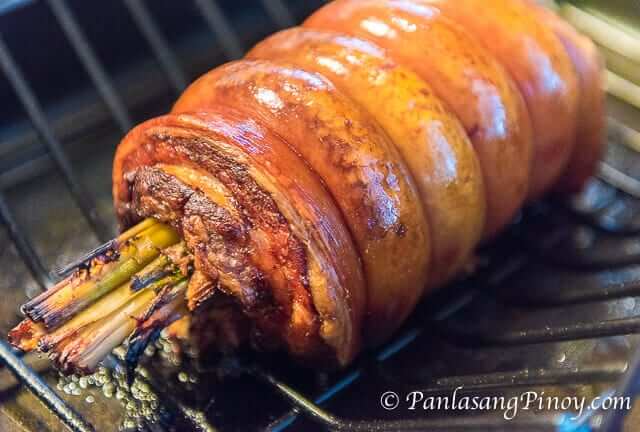
This is my foolproof oven roasted pork belly recipe. I stuff the belly with lemongrass, scallions, and onions, then roll it up and roast. The aromatics infuse the meat with flavor, and brushing the skin with milk helps it turn golden brown. This is the recipe I make for New Year celebrations.
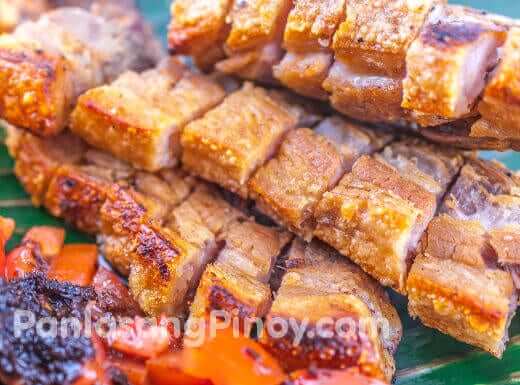
This is a lighter version that uses the broiler instead of deep frying. The pork is steamed first to make it tender, then broiled until crispy. It has less oil than lechon kawali but still satisfies that craving for crispy pork.
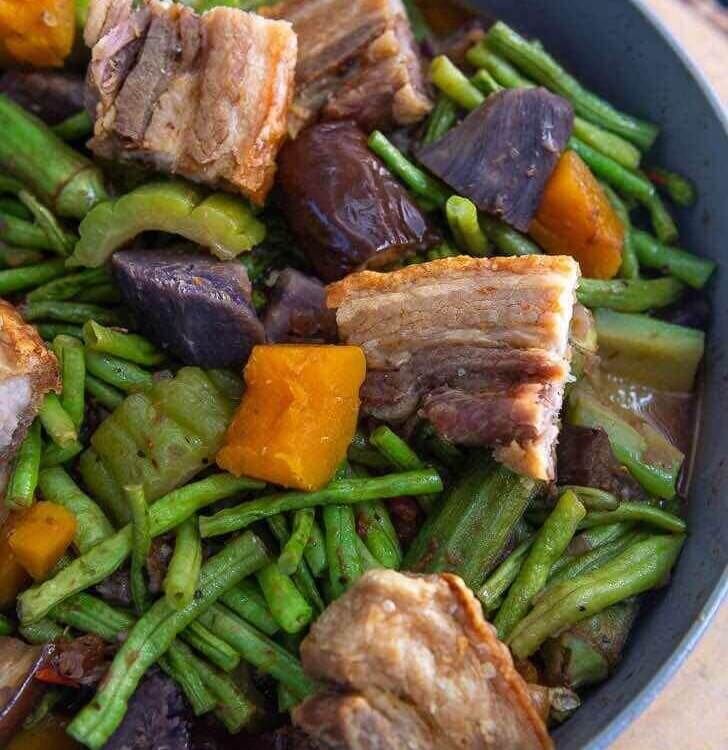
This creative dish combines crispy air fried liempo with pinakbet vegetables and ube. The pork is marinated with sinigang mix for a tangy flavor, then air fried until crispy. It is a complete meal in one plate and a fun twist on two classic Filipino dishes.
Grilled pork belly has a smoky, charred flavor that you cannot get from any other cooking method. The marinade caramelizes on the grill and creates those irresistible grill marks. These recipes are perfect for backyard barbecues, outdoor gatherings, or anytime you want that grilled flavor.
This is my basic grilled pork belly recipe with a simple but flavorful marinade. The pork marinates for at least an hour in soy sauce, garlic, and spices, then goes on the grill. I baste it with the remaining marinade while grilling for extra flavor. Serve it with sinangag and a fried egg for a complete meal.
This is the traditional Filipino grilled pork belly that you find at barbecue stands all over the Philippines. The marinade has soy sauce, calamansi (or lemon), garlic, and black pepper. I serve it with atchara on the side.
This is a simpler version for those busy weeknights when you still want grilled pork belly. The marinade comes together quickly, and the pork only needs to marinate for about 30 minutes. Quick, easy, and still delicious.
No outdoor grill? No problem. This recipe shows you how to get that grilled flavor using your oven. I use the broiler to mimic the high heat of a grill, and the results are surprisingly close to the real thing. Great for apartment living or rainy days.
Braised pork belly is comfort food at its finest. The long, slow cooking turns the meat incredibly tender and allows it to soak up all the flavors of the sauce. These are the dishes I make when I want something hearty and satisfying, especially on cold or rainy days.
This is the iconic Filipino dish that needs no introduction. Pork belly simmers in a mixture of soy sauce, vinegar, garlic, and bay leaves until tender. The sauce is savory, slightly tangy, and absolutely delicious over rice. This recipe is how I have been making adobo for years, and it never disappoints.
This is my stripped down version using just the core ingredients. No fancy additions, just the essential flavors that make adobo so good. I like to infuse the oil with garlic and bay leaves at the start, which makes the whole dish more aromatic. If you want to learn the fundamentals of adobo, start here.
Adding cola to adobo might sound unusual, but it works beautifully. The cola adds sweetness and helps tenderize the meat, giving the adobo a flavor similar to humba. This is a fun twist on the classic that my family really enjoys.
This is a dry version of adobo where the sauce is reduced until the pork is coated in a glossy, flavorful glaze. The pineapple juice in the marinade adds a subtle sweetness and helps tenderize the meat. The result is pork that is rich, slightly sweet, and incredibly tender. The name means “oily adobo” in Filipino.
Adding potatoes to adobo stretches the dish and makes it even more satisfying. The potatoes absorb the adobo sauce and become just as flavorful as the meat. This is a great way to make a little pork belly feed more people, and kids love it.
I developed this recipe when I wanted to eat a little less meat but still enjoy adobo. The fried tofu soaks up the sauce and adds a nice texture contrast to the tender pork. It is a good compromise when you want something lighter but still satisfying.
This is for those who love heat. I use ghost peppers to make this adobo extremely spicy. The sauce is cooked down until almost dry, leaving the pork coated in a spicy, flavorful glaze. Have a glass of milk ready. This makes excellent pulutan (beer food).
Humba is the Visayan version of braised pork belly. It is sweeter than adobo, with brown sugar, pineapple juice, and banana blossoms in the mix. The salted black beans (tausi) give it a unique savory depth that sets it apart from regular adobo. This is one of my favorite comfort foods.
This version uses cola instead of pineapple juice for the sweetness, which is how they make it in some parts of the Visayas. The cola caramelizes as it cooks and gives the pork a beautiful dark color. A regional twist on a regional dish.
This is a soy and oyster sauce braised pork belly with potatoes and bell peppers. The braising liquid becomes a rich, savory sauce that goes perfectly with rice. I love how the potatoes become soft and absorb all that flavor. A hearty one pot meal.
These recipes do not fit neatly into one category, but they are all wonderful ways to enjoy pork belly. Some combine different cooking methods, while others pair pork belly with vegetables and other ingredients for complete meals.
This dish simmers pork belly in a savory oyster sauce until tender, then adds boiled eggs at the end. The eggs soak up the sauce and become beautifully flavored. It reminds me of the braised pork dishes you find at Chinese restaurants. Great for meal prep since it reheats well.
This is a quick stir fry of pork belly with colorful bell peppers. The pork is cooked in soy sauce and oyster sauce until tender, then the peppers are added for crunch and color. It comes together in about 30 minutes, making it perfect for busy weeknights.
This is the classic sour soup made with pork belly and tamarind. The sourness of the broth cuts through the richness of the pork belly perfectly. I add lots of vegetables like kangkong, string beans, radish, and eggplant. One of the most comforting Filipino soups.
This creative dish combines two Filipino favorites: crispy liempo and sinigang. The pork belly is marinated with sinigang mix, air dried, then fried until crispy. It is served with sinigang soup and vegetables on the side. Best of both worlds in one meal.
This is what I make when I have leftover lechon kawali. The crispy pork is simmered in vinegar and lechon sauce until tender and flavorful. It is a great way to transform leftovers into something new. The sauce becomes rich and slightly sweet.
Pinakbet is a vegetable dish, but adding crispy lechon kawali takes it to another level. The crispy pork adds richness and texture that complements the vegetables perfectly. This is one of my favorite ways to eat pinakbet. The combination of vegetables and crispy pork is so satisfying.
This is kare kare made with crispy pork belly instead of the usual oxtail. The pork is fried until crispy, then served with the rich peanut sauce and vegetables. The contrast between the crispy pork and creamy sauce is amazing. Serve it with bagoong on the side.
After cooking pork belly for over 30 years, I have learned a few things that make a big difference in the final result. Here are my best tips that will help you get great results no matter which recipe you choose:
Pork belly is rich and flavorful, so I like to serve it with things that balance out that richness. Here are my favorite pairings:
Rice is essential with pork belly. Here are some options:
The right dipping sauce can elevate your pork belly:
Pickled dishes cut through the richness of pork belly:
A bowl of soup on the side helps balance a rich pork belly meal:
Let the pork belly cool to room temperature (but not more than 2 hours), then store in an airtight container in the refrigerator. It will keep for 3 to 4 days. For braised dishes like adobo, store the pork in its sauce to keep it moist.
Pork belly freezes well for up to 3 months. Here is how I do it:
The air fryer is the best way to reheat crispy pork belly and restore its crunch:
You can also use the oven:
Both are crispy fried pork belly, but there are some differences. Lechon kawali is usually seasoned before frying with salt, pepper, and aromatics in the boiling liquid. Traditional bagnet from Ilocos uses no seasoning at all. The pork is simply boiled and fried, letting the natural pork flavor shine through. Bagnet is also typically fried longer for extra crispiness and is traditionally served with bagoong.
Yes, you can use the oven or air fryer. For oven roasting, cook the pork belly at low temperature (325F to 350F) until tender, then blast it with high heat (450F or higher) to crisp up the skin. Air frying also works well for smaller pieces. Check out my Crispy Pork Belly Chips recipe for an air fryer method. The results are not exactly the same as deep frying, but still delicious.
Rubbery skin usually means one of these issues:
For best results, dry the skin in the fridge overnight and make sure your oil is at the right temperature (around 350F) before frying.
For braised recipes like adobo and humba, pork shoulder or pork butt can work. They are leaner but still have enough fat to stay moist during long cooking. For crispy recipes like lechon kawali, pork belly is really the best choice because of the skin and fat content that makes the crackling possible.
It depends on the recipe:
The pork was probably not boiled long enough before frying. The meat needs to be tender before it goes into the oil. If it is tough after frying, there is no way to fix it. Next time, boil longer until a fork slides in easily with no resistance. For a 2 pound piece of pork belly, this usually takes 45 minutes to 1 hour.
Yes, skinless pork belly works fine for braised dishes. For crispy recipes, you will not get the crackling, but the meat will still be delicious. The fat in pork belly keeps it moist and flavorful even without the skin.
I hope this collection helps you find your new favorite pork belly recipe. Each one has been tested and enjoyed by my family over the years, and I know you will love them too. If you have questions about any of these recipes or want to share how yours turned out, leave a comment below and I will do my best to help.
Happy cooking!
Oven roasting is my go to method when I want crispy pork belly without the mess of deep frying. The slow roasting makes the meat incredibly tender, and the high heat at the end crisps up the skin beautifully. These recipes are perfect for special occasions when you want something impressive.
This is my foolproof oven roasted pork belly recipe. I stuff the belly with lemongrass, scallions, and onions, then roll it up and roast. The aromatics infuse the meat with flavor, and brushing the skin with milk helps it turn golden brown. This is the recipe I make for New Year celebrations.
This is a lighter version that uses the broiler instead of deep frying. The pork is steamed first to make it tender, then broiled until crispy. It has less oil than lechon kawali but still satisfies that craving for crispy pork.
This creative dish combines crispy air fried liempo with pinakbet vegetables and ube. The pork is marinated with sinigang mix for a tangy flavor, then air fried until crispy. It is a complete meal in one plate and a fun twist on two classic Filipino dishes.
Grilled pork belly has a smoky, charred flavor that you cannot get from any other cooking method. The marinade caramelizes on the grill and creates those irresistible grill marks. These recipes are perfect for backyard barbecues, outdoor gatherings, or anytime you want that grilled flavor.
This is my basic grilled pork belly recipe with a simple but flavorful marinade. The pork marinates for at least an hour in soy sauce, garlic, and spices, then goes on the grill. I baste it with the remaining marinade while grilling for extra flavor. Serve it with sinangag and a fried egg for a complete meal.
This is the traditional Filipino grilled pork belly that you find at barbecue stands all over the Philippines. The marinade has soy sauce, calamansi (or lemon), garlic, and black pepper. I serve it with atchara on the side.
This is a simpler version for those busy weeknights when you still want grilled pork belly. The marinade comes together quickly, and the pork only needs to marinate for about 30 minutes. Quick, easy, and still delicious.
No outdoor grill? No problem. This recipe shows you how to get that grilled flavor using your oven. I use the broiler to mimic the high heat of a grill, and the results are surprisingly close to the real thing. Great for apartment living or rainy days.
Braised pork belly is comfort food at its finest. The long, slow cooking turns the meat incredibly tender and allows it to soak up all the flavors of the sauce. These are the dishes I make when I want something hearty and satisfying, especially on cold or rainy days.
This is the iconic Filipino dish that needs no introduction. Pork belly simmers in a mixture of soy sauce, vinegar, garlic, and bay leaves until tender. The sauce is savory, slightly tangy, and absolutely delicious over rice. This recipe is how I have been making adobo for years, and it never disappoints.
This is my stripped down version using just the core ingredients. No fancy additions, just the essential flavors that make adobo so good. I like to infuse the oil with garlic and bay leaves at the start, which makes the whole dish more aromatic. If you want to learn the fundamentals of adobo, start here.
Adding cola to adobo might sound unusual, but it works beautifully. The cola adds sweetness and helps tenderize the meat, giving the adobo a flavor similar to humba. This is a fun twist on the classic that my family really enjoys.
This is a dry version of adobo where the sauce is reduced until the pork is coated in a glossy, flavorful glaze. The pineapple juice in the marinade adds a subtle sweetness and helps tenderize the meat. The result is pork that is rich, slightly sweet, and incredibly tender. The name means “oily adobo” in Filipino.
Adding potatoes to adobo stretches the dish and makes it even more satisfying. The potatoes absorb the adobo sauce and become just as flavorful as the meat. This is a great way to make a little pork belly feed more people, and kids love it.
I developed this recipe when I wanted to eat a little less meat but still enjoy adobo. The fried tofu soaks up the sauce and adds a nice texture contrast to the tender pork. It is a good compromise when you want something lighter but still satisfying.
This is for those who love heat. I use ghost peppers to make this adobo extremely spicy. The sauce is cooked down until almost dry, leaving the pork coated in a spicy, flavorful glaze. Have a glass of milk ready. This makes excellent pulutan (beer food).
Humba is the Visayan version of braised pork belly. It is sweeter than adobo, with brown sugar, pineapple juice, and banana blossoms in the mix. The salted black beans (tausi) give it a unique savory depth that sets it apart from regular adobo. This is one of my favorite comfort foods.
This version uses cola instead of pineapple juice for the sweetness, which is how they make it in some parts of the Visayas. The cola caramelizes as it cooks and gives the pork a beautiful dark color. A regional twist on a regional dish.
This is a soy and oyster sauce braised pork belly with potatoes and bell peppers. The braising liquid becomes a rich, savory sauce that goes perfectly with rice. I love how the potatoes become soft and absorb all that flavor. A hearty one pot meal.
These recipes do not fit neatly into one category, but they are all wonderful ways to enjoy pork belly. Some combine different cooking methods, while others pair pork belly with vegetables and other ingredients for complete meals.
This dish simmers pork belly in a savory oyster sauce until tender, then adds boiled eggs at the end. The eggs soak up the sauce and become beautifully flavored. It reminds me of the braised pork dishes you find at Chinese restaurants. Great for meal prep since it reheats well.
This is a quick stir fry of pork belly with colorful bell peppers. The pork is cooked in soy sauce and oyster sauce until tender, then the peppers are added for crunch and color. It comes together in about 30 minutes, making it perfect for busy weeknights.
This is the classic sour soup made with pork belly and tamarind. The sourness of the broth cuts through the richness of the pork belly perfectly. I add lots of vegetables like kangkong, string beans, radish, and eggplant. One of the most comforting Filipino soups.
This creative dish combines two Filipino favorites: crispy liempo and sinigang. The pork belly is marinated with sinigang mix, air dried, then fried until crispy. It is served with sinigang soup and vegetables on the side. Best of both worlds in one meal.
This is what I make when I have leftover lechon kawali. The crispy pork is simmered in vinegar and lechon sauce until tender and flavorful. It is a great way to transform leftovers into something new. The sauce becomes rich and slightly sweet.
Pinakbet is a vegetable dish, but adding crispy lechon kawali takes it to another level. The crispy pork adds richness and texture that complements the vegetables perfectly. This is one of my favorite ways to eat pinakbet. The combination of vegetables and crispy pork is so satisfying.
This is kare kare made with crispy pork belly instead of the usual oxtail. The pork is fried until crispy, then served with the rich peanut sauce and vegetables. The contrast between the crispy pork and creamy sauce is amazing. Serve it with bagoong on the side.
After cooking pork belly for over 30 years, I have learned a few things that make a big difference in the final result. Here are my best tips that will help you get great results no matter which recipe you choose:
Pork belly is rich and flavorful, so I like to serve it with things that balance out that richness. Here are my favorite pairings:
Rice is essential with pork belly. Here are some options:
The right dipping sauce can elevate your pork belly:
Pickled dishes cut through the richness of pork belly:
A bowl of soup on the side helps balance a rich pork belly meal:
Let the pork belly cool to room temperature (but not more than 2 hours), then store in an airtight container in the refrigerator. It will keep for 3 to 4 days. For braised dishes like adobo, store the pork in its sauce to keep it moist.
Pork belly freezes well for up to 3 months. Here is how I do it:
The air fryer is the best way to reheat crispy pork belly and restore its crunch:
You can also use the oven:
Both are crispy fried pork belly, but there are some differences. Lechon kawali is usually seasoned before frying with salt, pepper, and aromatics in the boiling liquid. Traditional bagnet from Ilocos uses no seasoning at all. The pork is simply boiled and fried, letting the natural pork flavor shine through. Bagnet is also typically fried longer for extra crispiness and is traditionally served with bagoong.
Yes, you can use the oven or air fryer. For oven roasting, cook the pork belly at low temperature (325F to 350F) until tender, then blast it with high heat (450F or higher) to crisp up the skin. Air frying also works well for smaller pieces. Check out my Crispy Pork Belly Chips recipe for an air fryer method. The results are not exactly the same as deep frying, but still delicious.
Rubbery skin usually means one of these issues:
For best results, dry the skin in the fridge overnight and make sure your oil is at the right temperature (around 350F) before frying.
For braised recipes like adobo and humba, pork shoulder or pork butt can work. They are leaner but still have enough fat to stay moist during long cooking. For crispy recipes like lechon kawali, pork belly is really the best choice because of the skin and fat content that makes the crackling possible.
It depends on the recipe:
The pork was probably not boiled long enough before frying. The meat needs to be tender before it goes into the oil. If it is tough after frying, there is no way to fix it. Next time, boil longer until a fork slides in easily with no resistance. For a 2 pound piece of pork belly, this usually takes 45 minutes to 1 hour.
Yes, skinless pork belly works fine for braised dishes. For crispy recipes, you will not get the crackling, but the meat will still be delicious. The fat in pork belly keeps it moist and flavorful even without the skin.
I hope this collection helps you find your new favorite pork belly recipe. Each one has been tested and enjoyed by my family over the years, and I know you will love them too. If you have questions about any of these recipes or want to share how yours turned out, leave a comment below and I will do my best to help.
Happy cooking!
This is my special version that I make during Christmas and other celebrations. I marinate the boiled pork in liquid seasoning before frying, which gives it extra flavor. The result is so good that you do not even need dipping sauce, though I still serve it with toyomansi on the side. Filipino Lechon Kawali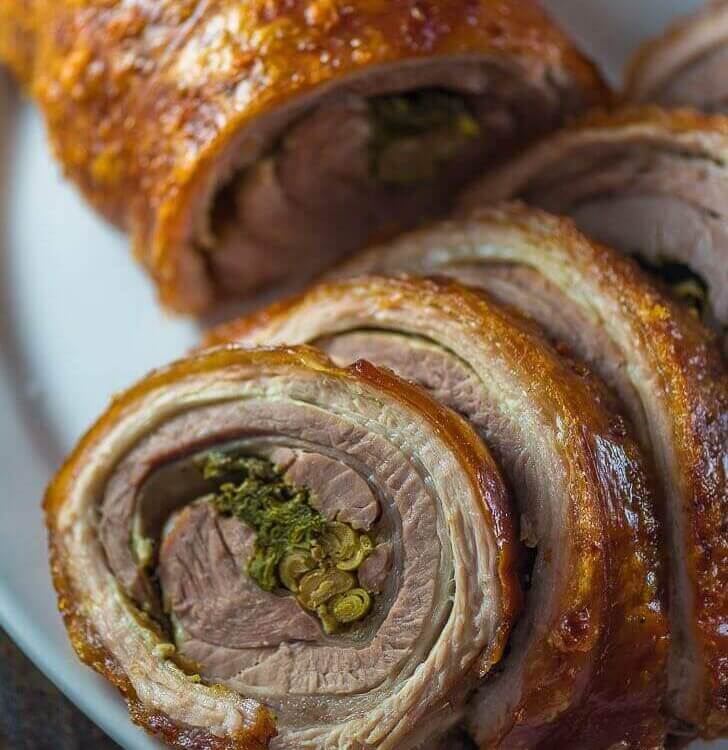
Bellychon is made in the oven instead of deep fried. The pork belly is seasoned with star anise and other aromatics, then roasted until crispy. This method uses less oil but still gives you that crunchy skin everyone loves.
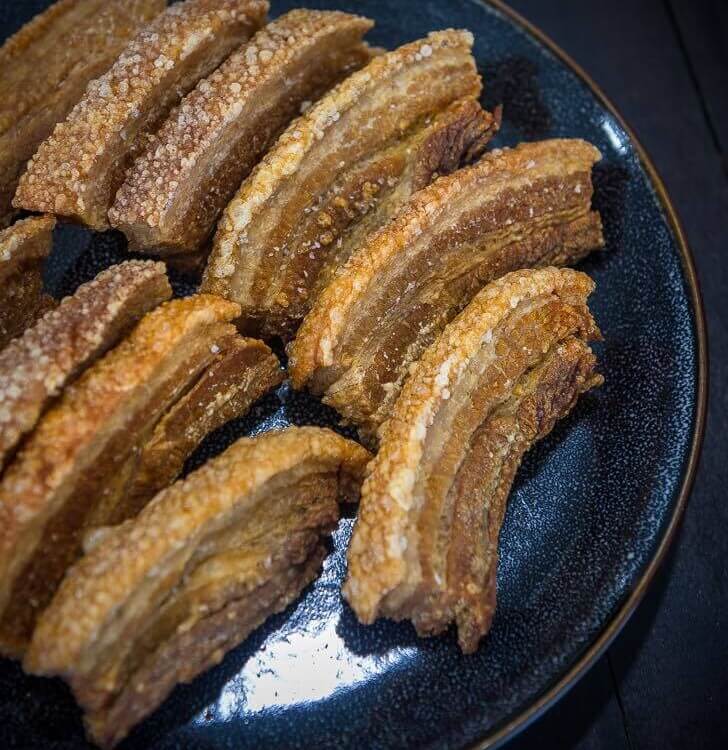
This is pork belly taken to the extreme in terms of crispiness. I boil the pork until very tender, air dry it, then fry until it is crispy all the way through, almost like chicharron. It is incredibly addictive as a snack or pulutan with ice cold beer.
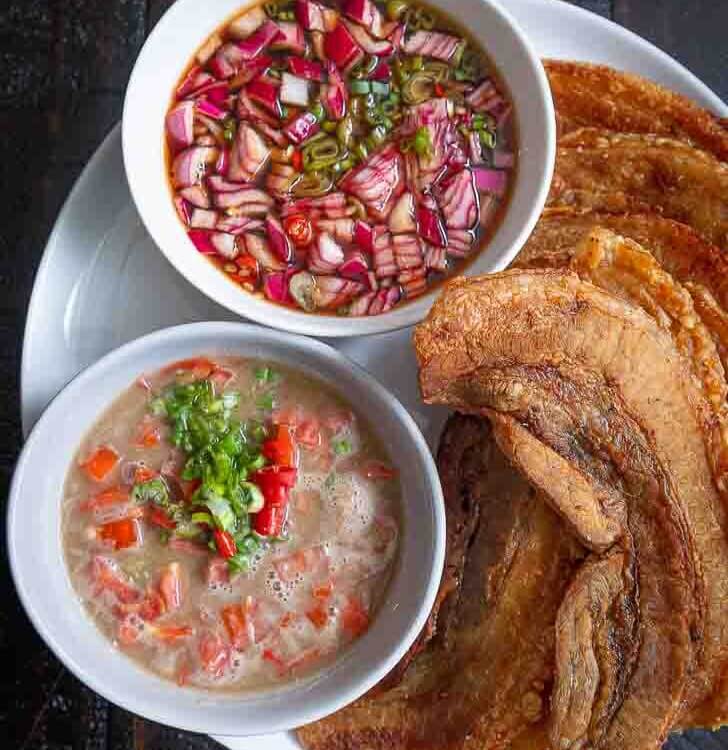
These are thin slices of pork belly cooked in the air fryer until they are crispy like chips. I season them with Knorr Liquid Seasoning before air frying. They make a great snack or topping for dishes like arroz caldo or lugaw.
Get the recipe:
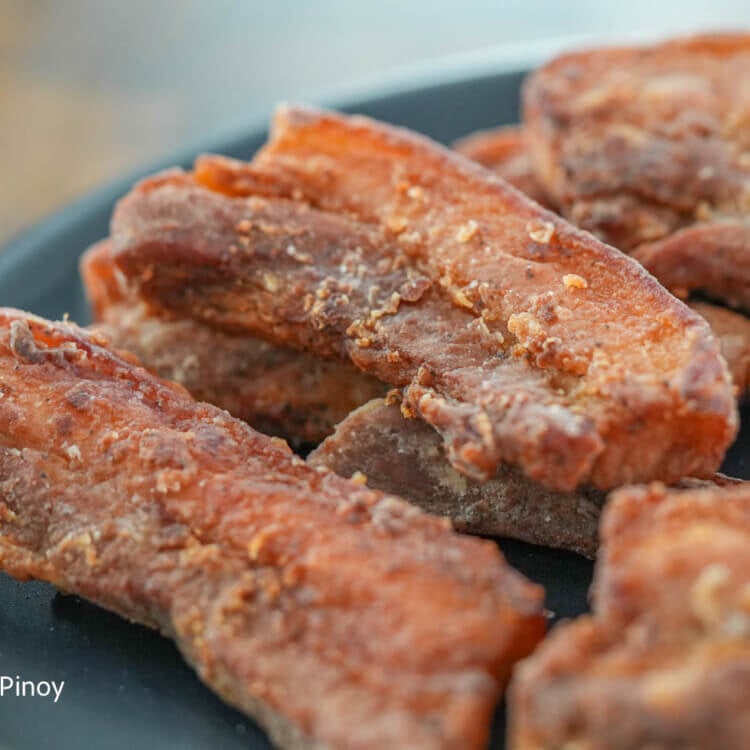
This recipe uses a flour and cornstarch coating for extra crunch. The pork is boiled first, then dredged and fried until golden. I serve it with a chili garlic dipping sauce that my family loves. The coating gives it a different texture from regular lechon kawali.

Bagnet is the famous crispy pork belly from Ilocos. It is similar to lechon kawali but traditionally uses no seasoning at all. The pork is simply boiled and fried, letting the natural pork flavor shine through. It is best served with bagoong (fermented fish paste) and pairs perfectly with pinakbet.
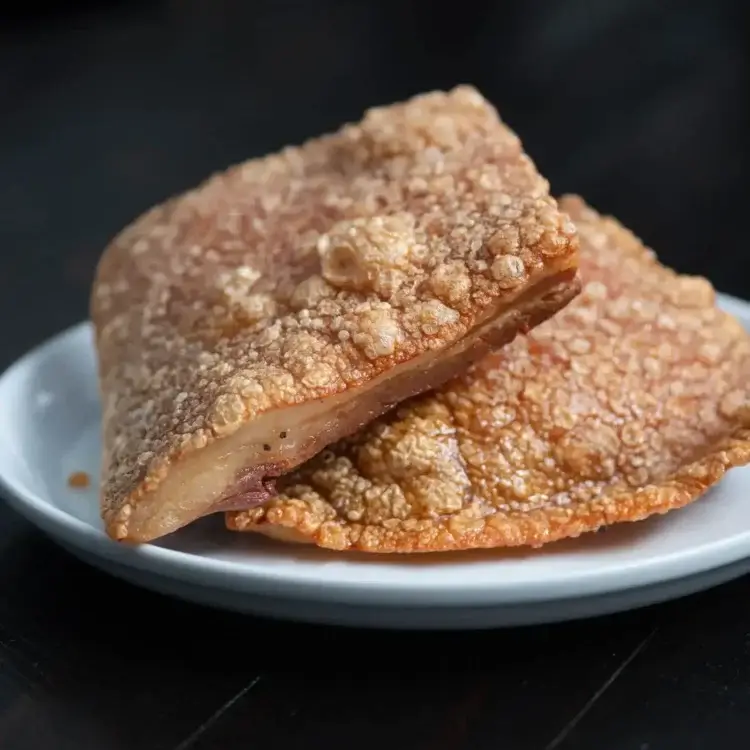
This is my version of Ilocano bagnet with extra crispy skin. I use the double fry method to make sure the skin is perfectly crunchy. The inside stays tender and juicy while the outside becomes golden and crispy. I also rub some salt on the pork before frying for added flavor.
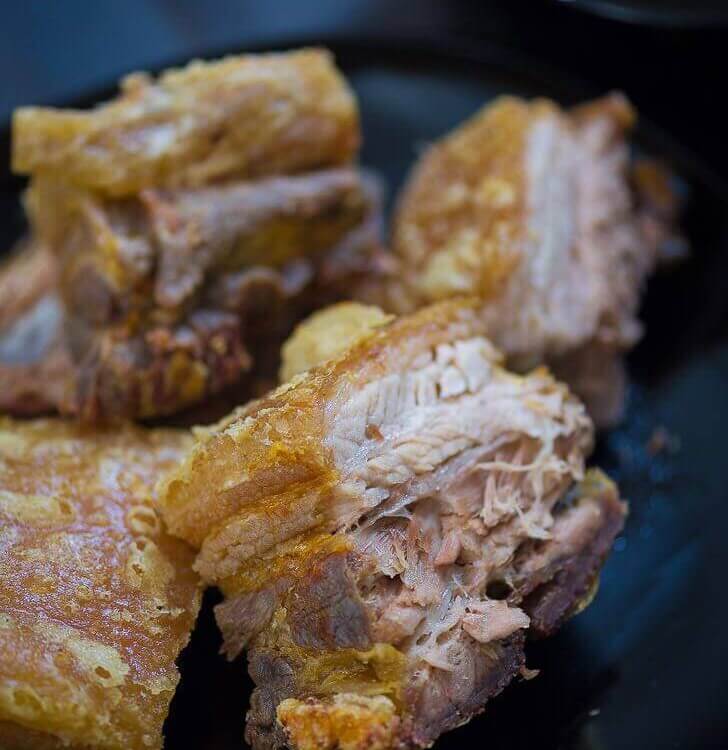
This is a detailed guide on making authentic bagnet at home. I explain the traditional method and share tips on getting the best results. If you want to learn the proper technique from start to finish, this post walks you through it step by step.
Oven roasting is my go to method when I want crispy pork belly without the mess of deep frying. The slow roasting makes the meat incredibly tender, and the high heat at the end crisps up the skin beautifully. These recipes are perfect for special occasions when you want something impressive.
This is my foolproof oven roasted pork belly recipe. I stuff the belly with lemongrass, scallions, and onions, then roll it up and roast. The aromatics infuse the meat with flavor, and brushing the skin with milk helps it turn golden brown. This is the recipe I make for New Year celebrations.
This is a lighter version that uses the broiler instead of deep frying. The pork is steamed first to make it tender, then broiled until crispy. It has less oil than lechon kawali but still satisfies that craving for crispy pork.
This creative dish combines crispy air fried liempo with pinakbet vegetables and ube. The pork is marinated with sinigang mix for a tangy flavor, then air fried until crispy. It is a complete meal in one plate and a fun twist on two classic Filipino dishes.
Grilled pork belly has a smoky, charred flavor that you cannot get from any other cooking method. The marinade caramelizes on the grill and creates those irresistible grill marks. These recipes are perfect for backyard barbecues, outdoor gatherings, or anytime you want that grilled flavor.
This is my basic grilled pork belly recipe with a simple but flavorful marinade. The pork marinates for at least an hour in soy sauce, garlic, and spices, then goes on the grill. I baste it with the remaining marinade while grilling for extra flavor. Serve it with sinangag and a fried egg for a complete meal.
This is the traditional Filipino grilled pork belly that you find at barbecue stands all over the Philippines. The marinade has soy sauce, calamansi (or lemon), garlic, and black pepper. I serve it with atchara on the side.
This is a simpler version for those busy weeknights when you still want grilled pork belly. The marinade comes together quickly, and the pork only needs to marinate for about 30 minutes. Quick, easy, and still delicious.
No outdoor grill? No problem. This recipe shows you how to get that grilled flavor using your oven. I use the broiler to mimic the high heat of a grill, and the results are surprisingly close to the real thing. Great for apartment living or rainy days.
Braised pork belly is comfort food at its finest. The long, slow cooking turns the meat incredibly tender and allows it to soak up all the flavors of the sauce. These are the dishes I make when I want something hearty and satisfying, especially on cold or rainy days.
This is the iconic Filipino dish that needs no introduction. Pork belly simmers in a mixture of soy sauce, vinegar, garlic, and bay leaves until tender. The sauce is savory, slightly tangy, and absolutely delicious over rice. This recipe is how I have been making adobo for years, and it never disappoints.
This is my stripped down version using just the core ingredients. No fancy additions, just the essential flavors that make adobo so good. I like to infuse the oil with garlic and bay leaves at the start, which makes the whole dish more aromatic. If you want to learn the fundamentals of adobo, start here.
Adding cola to adobo might sound unusual, but it works beautifully. The cola adds sweetness and helps tenderize the meat, giving the adobo a flavor similar to humba. This is a fun twist on the classic that my family really enjoys.
This is a dry version of adobo where the sauce is reduced until the pork is coated in a glossy, flavorful glaze. The pineapple juice in the marinade adds a subtle sweetness and helps tenderize the meat. The result is pork that is rich, slightly sweet, and incredibly tender. The name means “oily adobo” in Filipino.
Adding potatoes to adobo stretches the dish and makes it even more satisfying. The potatoes absorb the adobo sauce and become just as flavorful as the meat. This is a great way to make a little pork belly feed more people, and kids love it.
I developed this recipe when I wanted to eat a little less meat but still enjoy adobo. The fried tofu soaks up the sauce and adds a nice texture contrast to the tender pork. It is a good compromise when you want something lighter but still satisfying.
This is for those who love heat. I use ghost peppers to make this adobo extremely spicy. The sauce is cooked down until almost dry, leaving the pork coated in a spicy, flavorful glaze. Have a glass of milk ready. This makes excellent pulutan (beer food).
Humba is the Visayan version of braised pork belly. It is sweeter than adobo, with brown sugar, pineapple juice, and banana blossoms in the mix. The salted black beans (tausi) give it a unique savory depth that sets it apart from regular adobo. This is one of my favorite comfort foods.
This version uses cola instead of pineapple juice for the sweetness, which is how they make it in some parts of the Visayas. The cola caramelizes as it cooks and gives the pork a beautiful dark color. A regional twist on a regional dish.
This is a soy and oyster sauce braised pork belly with potatoes and bell peppers. The braising liquid becomes a rich, savory sauce that goes perfectly with rice. I love how the potatoes become soft and absorb all that flavor. A hearty one pot meal.
These recipes do not fit neatly into one category, but they are all wonderful ways to enjoy pork belly. Some combine different cooking methods, while others pair pork belly with vegetables and other ingredients for complete meals.
This dish simmers pork belly in a savory oyster sauce until tender, then adds boiled eggs at the end. The eggs soak up the sauce and become beautifully flavored. It reminds me of the braised pork dishes you find at Chinese restaurants. Great for meal prep since it reheats well.
This is a quick stir fry of pork belly with colorful bell peppers. The pork is cooked in soy sauce and oyster sauce until tender, then the peppers are added for crunch and color. It comes together in about 30 minutes, making it perfect for busy weeknights.
This is the classic sour soup made with pork belly and tamarind. The sourness of the broth cuts through the richness of the pork belly perfectly. I add lots of vegetables like kangkong, string beans, radish, and eggplant. One of the most comforting Filipino soups.
This creative dish combines two Filipino favorites: crispy liempo and sinigang. The pork belly is marinated with sinigang mix, air dried, then fried until crispy. It is served with sinigang soup and vegetables on the side. Best of both worlds in one meal.
This is what I make when I have leftover lechon kawali. The crispy pork is simmered in vinegar and lechon sauce until tender and flavorful. It is a great way to transform leftovers into something new. The sauce becomes rich and slightly sweet.
Pinakbet is a vegetable dish, but adding crispy lechon kawali takes it to another level. The crispy pork adds richness and texture that complements the vegetables perfectly. This is one of my favorite ways to eat pinakbet. The combination of vegetables and crispy pork is so satisfying.
This is kare kare made with crispy pork belly instead of the usual oxtail. The pork is fried until crispy, then served with the rich peanut sauce and vegetables. The contrast between the crispy pork and creamy sauce is amazing. Serve it with bagoong on the side.
After cooking pork belly for over 30 years, I have learned a few things that make a big difference in the final result. Here are my best tips that will help you get great results no matter which recipe you choose:
Pork belly is rich and flavorful, so I like to serve it with things that balance out that richness. Here are my favorite pairings:
Rice is essential with pork belly. Here are some options:
The right dipping sauce can elevate your pork belly:
Pickled dishes cut through the richness of pork belly:
A bowl of soup on the side helps balance a rich pork belly meal:
Let the pork belly cool to room temperature (but not more than 2 hours), then store in an airtight container in the refrigerator. It will keep for 3 to 4 days. For braised dishes like adobo, store the pork in its sauce to keep it moist.
Pork belly freezes well for up to 3 months. Here is how I do it:
The air fryer is the best way to reheat crispy pork belly and restore its crunch:
You can also use the oven:
Both are crispy fried pork belly, but there are some differences. Lechon kawali is usually seasoned before frying with salt, pepper, and aromatics in the boiling liquid. Traditional bagnet from Ilocos uses no seasoning at all. The pork is simply boiled and fried, letting the natural pork flavor shine through. Bagnet is also typically fried longer for extra crispiness and is traditionally served with bagoong.
Yes, you can use the oven or air fryer. For oven roasting, cook the pork belly at low temperature (325F to 350F) until tender, then blast it with high heat (450F or higher) to crisp up the skin. Air frying also works well for smaller pieces. Check out my Crispy Pork Belly Chips recipe for an air fryer method. The results are not exactly the same as deep frying, but still delicious.
Rubbery skin usually means one of these issues:
For best results, dry the skin in the fridge overnight and make sure your oil is at the right temperature (around 350F) before frying.
For braised recipes like adobo and humba, pork shoulder or pork butt can work. They are leaner but still have enough fat to stay moist during long cooking. For crispy recipes like lechon kawali, pork belly is really the best choice because of the skin and fat content that makes the crackling possible.
It depends on the recipe:
The pork was probably not boiled long enough before frying. The meat needs to be tender before it goes into the oil. If it is tough after frying, there is no way to fix it. Next time, boil longer until a fork slides in easily with no resistance. For a 2 pound piece of pork belly, this usually takes 45 minutes to 1 hour.
Yes, skinless pork belly works fine for braised dishes. For crispy recipes, you will not get the crackling, but the meat will still be delicious. The fat in pork belly keeps it moist and flavorful even without the skin.
I hope this collection helps you find your new favorite pork belly recipe. Each one has been tested and enjoyed by my family over the years, and I know you will love them too. If you have questions about any of these recipes or want to share how yours turned out, leave a comment below and I will do my best to help.
Happy cooking!
This version takes the crispiness to another level using the double fry method. Frying the pork twice gives you skin that is so crispy, it actually crackles when you tap it with a fork. The secret is letting the pork cool down completely between the first and second fry. This extra step makes all the difference. Super Crispy Lechon Kawali Recipe
This is my special version that I make during Christmas and other celebrations. I marinate the boiled pork in liquid seasoning before frying, which gives it extra flavor. The result is so good that you do not even need dipping sauce, though I still serve it with toyomansi on the side.
Bellychon is made in the oven instead of deep fried. The pork belly is seasoned with star anise and other aromatics, then roasted until crispy. This method uses less oil but still gives you that crunchy skin everyone loves.
This is pork belly taken to the extreme in terms of crispiness. I boil the pork until very tender, air dry it, then fry until it is crispy all the way through, almost like chicharron. It is incredibly addictive as a snack or pulutan with ice cold beer.
These are thin slices of pork belly cooked in the air fryer until they are crispy like chips. I season them with Knorr Liquid Seasoning before air frying. They make a great snack or topping for dishes like arroz caldo or lugaw.
Get the recipe:
This recipe uses a flour and cornstarch coating for extra crunch. The pork is boiled first, then dredged and fried until golden. I serve it with a chili garlic dipping sauce that my family loves. The coating gives it a different texture from regular lechon kawali.
Bagnet is the famous crispy pork belly from Ilocos. It is similar to lechon kawali but traditionally uses no seasoning at all. The pork is simply boiled and fried, letting the natural pork flavor shine through. It is best served with bagoong (fermented fish paste) and pairs perfectly with pinakbet.
This is my version of Ilocano bagnet with extra crispy skin. I use the double fry method to make sure the skin is perfectly crunchy. The inside stays tender and juicy while the outside becomes golden and crispy. I also rub some salt on the pork before frying for added flavor.
This is a detailed guide on making authentic bagnet at home. I explain the traditional method and share tips on getting the best results. If you want to learn the proper technique from start to finish, this post walks you through it step by step.
Oven roasting is my go to method when I want crispy pork belly without the mess of deep frying. The slow roasting makes the meat incredibly tender, and the high heat at the end crisps up the skin beautifully. These recipes are perfect for special occasions when you want something impressive.
This is my foolproof oven roasted pork belly recipe. I stuff the belly with lemongrass, scallions, and onions, then roll it up and roast. The aromatics infuse the meat with flavor, and brushing the skin with milk helps it turn golden brown. This is the recipe I make for New Year celebrations.
This is a lighter version that uses the broiler instead of deep frying. The pork is steamed first to make it tender, then broiled until crispy. It has less oil than lechon kawali but still satisfies that craving for crispy pork.
This creative dish combines crispy air fried liempo with pinakbet vegetables and ube. The pork is marinated with sinigang mix for a tangy flavor, then air fried until crispy. It is a complete meal in one plate and a fun twist on two classic Filipino dishes.
Grilled pork belly has a smoky, charred flavor that you cannot get from any other cooking method. The marinade caramelizes on the grill and creates those irresistible grill marks. These recipes are perfect for backyard barbecues, outdoor gatherings, or anytime you want that grilled flavor.
This is my basic grilled pork belly recipe with a simple but flavorful marinade. The pork marinates for at least an hour in soy sauce, garlic, and spices, then goes on the grill. I baste it with the remaining marinade while grilling for extra flavor. Serve it with sinangag and a fried egg for a complete meal.
This is the traditional Filipino grilled pork belly that you find at barbecue stands all over the Philippines. The marinade has soy sauce, calamansi (or lemon), garlic, and black pepper. I serve it with atchara on the side.
This is a simpler version for those busy weeknights when you still want grilled pork belly. The marinade comes together quickly, and the pork only needs to marinate for about 30 minutes. Quick, easy, and still delicious.
No outdoor grill? No problem. This recipe shows you how to get that grilled flavor using your oven. I use the broiler to mimic the high heat of a grill, and the results are surprisingly close to the real thing. Great for apartment living or rainy days.
Braised pork belly is comfort food at its finest. The long, slow cooking turns the meat incredibly tender and allows it to soak up all the flavors of the sauce. These are the dishes I make when I want something hearty and satisfying, especially on cold or rainy days.
This is the iconic Filipino dish that needs no introduction. Pork belly simmers in a mixture of soy sauce, vinegar, garlic, and bay leaves until tender. The sauce is savory, slightly tangy, and absolutely delicious over rice. This recipe is how I have been making adobo for years, and it never disappoints.
This is my stripped down version using just the core ingredients. No fancy additions, just the essential flavors that make adobo so good. I like to infuse the oil with garlic and bay leaves at the start, which makes the whole dish more aromatic. If you want to learn the fundamentals of adobo, start here.
Adding cola to adobo might sound unusual, but it works beautifully. The cola adds sweetness and helps tenderize the meat, giving the adobo a flavor similar to humba. This is a fun twist on the classic that my family really enjoys.
This is a dry version of adobo where the sauce is reduced until the pork is coated in a glossy, flavorful glaze. The pineapple juice in the marinade adds a subtle sweetness and helps tenderize the meat. The result is pork that is rich, slightly sweet, and incredibly tender. The name means “oily adobo” in Filipino.
Adding potatoes to adobo stretches the dish and makes it even more satisfying. The potatoes absorb the adobo sauce and become just as flavorful as the meat. This is a great way to make a little pork belly feed more people, and kids love it.
I developed this recipe when I wanted to eat a little less meat but still enjoy adobo. The fried tofu soaks up the sauce and adds a nice texture contrast to the tender pork. It is a good compromise when you want something lighter but still satisfying.
This is for those who love heat. I use ghost peppers to make this adobo extremely spicy. The sauce is cooked down until almost dry, leaving the pork coated in a spicy, flavorful glaze. Have a glass of milk ready. This makes excellent pulutan (beer food).
Humba is the Visayan version of braised pork belly. It is sweeter than adobo, with brown sugar, pineapple juice, and banana blossoms in the mix. The salted black beans (tausi) give it a unique savory depth that sets it apart from regular adobo. This is one of my favorite comfort foods.
This version uses cola instead of pineapple juice for the sweetness, which is how they make it in some parts of the Visayas. The cola caramelizes as it cooks and gives the pork a beautiful dark color. A regional twist on a regional dish.
This is a soy and oyster sauce braised pork belly with potatoes and bell peppers. The braising liquid becomes a rich, savory sauce that goes perfectly with rice. I love how the potatoes become soft and absorb all that flavor. A hearty one pot meal.
These recipes do not fit neatly into one category, but they are all wonderful ways to enjoy pork belly. Some combine different cooking methods, while others pair pork belly with vegetables and other ingredients for complete meals.
This dish simmers pork belly in a savory oyster sauce until tender, then adds boiled eggs at the end. The eggs soak up the sauce and become beautifully flavored. It reminds me of the braised pork dishes you find at Chinese restaurants. Great for meal prep since it reheats well.
This is a quick stir fry of pork belly with colorful bell peppers. The pork is cooked in soy sauce and oyster sauce until tender, then the peppers are added for crunch and color. It comes together in about 30 minutes, making it perfect for busy weeknights.
This is the classic sour soup made with pork belly and tamarind. The sourness of the broth cuts through the richness of the pork belly perfectly. I add lots of vegetables like kangkong, string beans, radish, and eggplant. One of the most comforting Filipino soups.
This creative dish combines two Filipino favorites: crispy liempo and sinigang. The pork belly is marinated with sinigang mix, air dried, then fried until crispy. It is served with sinigang soup and vegetables on the side. Best of both worlds in one meal.
This is what I make when I have leftover lechon kawali. The crispy pork is simmered in vinegar and lechon sauce until tender and flavorful. It is a great way to transform leftovers into something new. The sauce becomes rich and slightly sweet.
Pinakbet is a vegetable dish, but adding crispy lechon kawali takes it to another level. The crispy pork adds richness and texture that complements the vegetables perfectly. This is one of my favorite ways to eat pinakbet. The combination of vegetables and crispy pork is so satisfying.
This is kare kare made with crispy pork belly instead of the usual oxtail. The pork is fried until crispy, then served with the rich peanut sauce and vegetables. The contrast between the crispy pork and creamy sauce is amazing. Serve it with bagoong on the side.
After cooking pork belly for over 30 years, I have learned a few things that make a big difference in the final result. Here are my best tips that will help you get great results no matter which recipe you choose:
Pork belly is rich and flavorful, so I like to serve it with things that balance out that richness. Here are my favorite pairings:
Rice is essential with pork belly. Here are some options:
The right dipping sauce can elevate your pork belly:
Pickled dishes cut through the richness of pork belly:
A bowl of soup on the side helps balance a rich pork belly meal:
Let the pork belly cool to room temperature (but not more than 2 hours), then store in an airtight container in the refrigerator. It will keep for 3 to 4 days. For braised dishes like adobo, store the pork in its sauce to keep it moist.
Pork belly freezes well for up to 3 months. Here is how I do it:
The air fryer is the best way to reheat crispy pork belly and restore its crunch:
You can also use the oven:
Both are crispy fried pork belly, but there are some differences. Lechon kawali is usually seasoned before frying with salt, pepper, and aromatics in the boiling liquid. Traditional bagnet from Ilocos uses no seasoning at all. The pork is simply boiled and fried, letting the natural pork flavor shine through. Bagnet is also typically fried longer for extra crispiness and is traditionally served with bagoong.
Yes, you can use the oven or air fryer. For oven roasting, cook the pork belly at low temperature (325F to 350F) until tender, then blast it with high heat (450F or higher) to crisp up the skin. Air frying also works well for smaller pieces. Check out my Crispy Pork Belly Chips recipe for an air fryer method. The results are not exactly the same as deep frying, but still delicious.
Rubbery skin usually means one of these issues:
For best results, dry the skin in the fridge overnight and make sure your oil is at the right temperature (around 350F) before frying.
For braised recipes like adobo and humba, pork shoulder or pork butt can work. They are leaner but still have enough fat to stay moist during long cooking. For crispy recipes like lechon kawali, pork belly is really the best choice because of the skin and fat content that makes the crackling possible.
It depends on the recipe:
The pork was probably not boiled long enough before frying. The meat needs to be tender before it goes into the oil. If it is tough after frying, there is no way to fix it. Next time, boil longer until a fork slides in easily with no resistance. For a 2 pound piece of pork belly, this usually takes 45 minutes to 1 hour.
Yes, skinless pork belly works fine for braised dishes. For crispy recipes, you will not get the crackling, but the meat will still be delicious. The fat in pork belly keeps it moist and flavorful even without the skin.
I hope this collection helps you find your new favorite pork belly recipe. Each one has been tested and enjoyed by my family over the years, and I know you will love them too. If you have questions about any of these recipes or want to share how yours turned out, leave a comment below and I will do my best to help.
Happy cooking!
This is the classic Filipino crispy fried pork belly. The name comes from the kawali (wok) that we traditionally use to fry it. I boil the pork with bay leaves and peppercorns first, which infuses flavor into the meat. Then I fry it until the skin puffs up and turns into crackling. Serve it with lechon sauce or spiced vinegar for the best experience. Lechon Kawali Recipe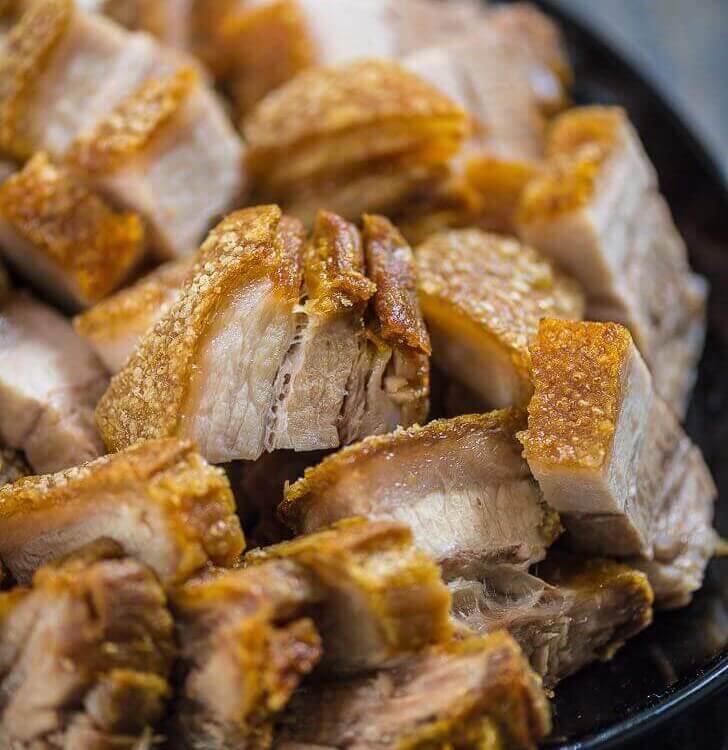
This version takes the crispiness to another level using the double fry method. Frying the pork twice gives you skin that is so crispy, it actually crackles when you tap it with a fork. The secret is letting the pork cool down completely between the first and second fry. This extra step makes all the difference.
This is my special version that I make during Christmas and other celebrations. I marinate the boiled pork in liquid seasoning before frying, which gives it extra flavor. The result is so good that you do not even need dipping sauce, though I still serve it with toyomansi on the side.
Bellychon is made in the oven instead of deep fried. The pork belly is seasoned with star anise and other aromatics, then roasted until crispy. This method uses less oil but still gives you that crunchy skin everyone loves.
This is pork belly taken to the extreme in terms of crispiness. I boil the pork until very tender, air dry it, then fry until it is crispy all the way through, almost like chicharron. It is incredibly addictive as a snack or pulutan with ice cold beer.
These are thin slices of pork belly cooked in the air fryer until they are crispy like chips. I season them with Knorr Liquid Seasoning before air frying. They make a great snack or topping for dishes like arroz caldo or lugaw.
Get the recipe:
This recipe uses a flour and cornstarch coating for extra crunch. The pork is boiled first, then dredged and fried until golden. I serve it with a chili garlic dipping sauce that my family loves. The coating gives it a different texture from regular lechon kawali.
Bagnet is the famous crispy pork belly from Ilocos. It is similar to lechon kawali but traditionally uses no seasoning at all. The pork is simply boiled and fried, letting the natural pork flavor shine through. It is best served with bagoong (fermented fish paste) and pairs perfectly with pinakbet.
This is my version of Ilocano bagnet with extra crispy skin. I use the double fry method to make sure the skin is perfectly crunchy. The inside stays tender and juicy while the outside becomes golden and crispy. I also rub some salt on the pork before frying for added flavor.
This is a detailed guide on making authentic bagnet at home. I explain the traditional method and share tips on getting the best results. If you want to learn the proper technique from start to finish, this post walks you through it step by step.
Oven roasting is my go to method when I want crispy pork belly without the mess of deep frying. The slow roasting makes the meat incredibly tender, and the high heat at the end crisps up the skin beautifully. These recipes are perfect for special occasions when you want something impressive.
This is my foolproof oven roasted pork belly recipe. I stuff the belly with lemongrass, scallions, and onions, then roll it up and roast. The aromatics infuse the meat with flavor, and brushing the skin with milk helps it turn golden brown. This is the recipe I make for New Year celebrations.
This is a lighter version that uses the broiler instead of deep frying. The pork is steamed first to make it tender, then broiled until crispy. It has less oil than lechon kawali but still satisfies that craving for crispy pork.
This creative dish combines crispy air fried liempo with pinakbet vegetables and ube. The pork is marinated with sinigang mix for a tangy flavor, then air fried until crispy. It is a complete meal in one plate and a fun twist on two classic Filipino dishes.
Grilled pork belly has a smoky, charred flavor that you cannot get from any other cooking method. The marinade caramelizes on the grill and creates those irresistible grill marks. These recipes are perfect for backyard barbecues, outdoor gatherings, or anytime you want that grilled flavor.
This is my basic grilled pork belly recipe with a simple but flavorful marinade. The pork marinates for at least an hour in soy sauce, garlic, and spices, then goes on the grill. I baste it with the remaining marinade while grilling for extra flavor. Serve it with sinangag and a fried egg for a complete meal.
This is the traditional Filipino grilled pork belly that you find at barbecue stands all over the Philippines. The marinade has soy sauce, calamansi (or lemon), garlic, and black pepper. I serve it with atchara on the side.
This is a simpler version for those busy weeknights when you still want grilled pork belly. The marinade comes together quickly, and the pork only needs to marinate for about 30 minutes. Quick, easy, and still delicious.
No outdoor grill? No problem. This recipe shows you how to get that grilled flavor using your oven. I use the broiler to mimic the high heat of a grill, and the results are surprisingly close to the real thing. Great for apartment living or rainy days.
Braised pork belly is comfort food at its finest. The long, slow cooking turns the meat incredibly tender and allows it to soak up all the flavors of the sauce. These are the dishes I make when I want something hearty and satisfying, especially on cold or rainy days.
This is the iconic Filipino dish that needs no introduction. Pork belly simmers in a mixture of soy sauce, vinegar, garlic, and bay leaves until tender. The sauce is savory, slightly tangy, and absolutely delicious over rice. This recipe is how I have been making adobo for years, and it never disappoints.
This is my stripped down version using just the core ingredients. No fancy additions, just the essential flavors that make adobo so good. I like to infuse the oil with garlic and bay leaves at the start, which makes the whole dish more aromatic. If you want to learn the fundamentals of adobo, start here.
Adding cola to adobo might sound unusual, but it works beautifully. The cola adds sweetness and helps tenderize the meat, giving the adobo a flavor similar to humba. This is a fun twist on the classic that my family really enjoys.
This is a dry version of adobo where the sauce is reduced until the pork is coated in a glossy, flavorful glaze. The pineapple juice in the marinade adds a subtle sweetness and helps tenderize the meat. The result is pork that is rich, slightly sweet, and incredibly tender. The name means “oily adobo” in Filipino.
Adding potatoes to adobo stretches the dish and makes it even more satisfying. The potatoes absorb the adobo sauce and become just as flavorful as the meat. This is a great way to make a little pork belly feed more people, and kids love it.
I developed this recipe when I wanted to eat a little less meat but still enjoy adobo. The fried tofu soaks up the sauce and adds a nice texture contrast to the tender pork. It is a good compromise when you want something lighter but still satisfying.
This is for those who love heat. I use ghost peppers to make this adobo extremely spicy. The sauce is cooked down until almost dry, leaving the pork coated in a spicy, flavorful glaze. Have a glass of milk ready. This makes excellent pulutan (beer food).
Humba is the Visayan version of braised pork belly. It is sweeter than adobo, with brown sugar, pineapple juice, and banana blossoms in the mix. The salted black beans (tausi) give it a unique savory depth that sets it apart from regular adobo. This is one of my favorite comfort foods.
This version uses cola instead of pineapple juice for the sweetness, which is how they make it in some parts of the Visayas. The cola caramelizes as it cooks and gives the pork a beautiful dark color. A regional twist on a regional dish.
This is a soy and oyster sauce braised pork belly with potatoes and bell peppers. The braising liquid becomes a rich, savory sauce that goes perfectly with rice. I love how the potatoes become soft and absorb all that flavor. A hearty one pot meal.
These recipes do not fit neatly into one category, but they are all wonderful ways to enjoy pork belly. Some combine different cooking methods, while others pair pork belly with vegetables and other ingredients for complete meals.
This dish simmers pork belly in a savory oyster sauce until tender, then adds boiled eggs at the end. The eggs soak up the sauce and become beautifully flavored. It reminds me of the braised pork dishes you find at Chinese restaurants. Great for meal prep since it reheats well.
This is a quick stir fry of pork belly with colorful bell peppers. The pork is cooked in soy sauce and oyster sauce until tender, then the peppers are added for crunch and color. It comes together in about 30 minutes, making it perfect for busy weeknights.
This is the classic sour soup made with pork belly and tamarind. The sourness of the broth cuts through the richness of the pork belly perfectly. I add lots of vegetables like kangkong, string beans, radish, and eggplant. One of the most comforting Filipino soups.
This creative dish combines two Filipino favorites: crispy liempo and sinigang. The pork belly is marinated with sinigang mix, air dried, then fried until crispy. It is served with sinigang soup and vegetables on the side. Best of both worlds in one meal.
This is what I make when I have leftover lechon kawali. The crispy pork is simmered in vinegar and lechon sauce until tender and flavorful. It is a great way to transform leftovers into something new. The sauce becomes rich and slightly sweet.
Pinakbet is a vegetable dish, but adding crispy lechon kawali takes it to another level. The crispy pork adds richness and texture that complements the vegetables perfectly. This is one of my favorite ways to eat pinakbet. The combination of vegetables and crispy pork is so satisfying.
This is kare kare made with crispy pork belly instead of the usual oxtail. The pork is fried until crispy, then served with the rich peanut sauce and vegetables. The contrast between the crispy pork and creamy sauce is amazing. Serve it with bagoong on the side.
After cooking pork belly for over 30 years, I have learned a few things that make a big difference in the final result. Here are my best tips that will help you get great results no matter which recipe you choose:
Pork belly is rich and flavorful, so I like to serve it with things that balance out that richness. Here are my favorite pairings:
Rice is essential with pork belly. Here are some options:
The right dipping sauce can elevate your pork belly:
Pickled dishes cut through the richness of pork belly:
A bowl of soup on the side helps balance a rich pork belly meal:
Let the pork belly cool to room temperature (but not more than 2 hours), then store in an airtight container in the refrigerator. It will keep for 3 to 4 days. For braised dishes like adobo, store the pork in its sauce to keep it moist.
Pork belly freezes well for up to 3 months. Here is how I do it:
The air fryer is the best way to reheat crispy pork belly and restore its crunch:
You can also use the oven:
Both are crispy fried pork belly, but there are some differences. Lechon kawali is usually seasoned before frying with salt, pepper, and aromatics in the boiling liquid. Traditional bagnet from Ilocos uses no seasoning at all. The pork is simply boiled and fried, letting the natural pork flavor shine through. Bagnet is also typically fried longer for extra crispiness and is traditionally served with bagoong.
Yes, you can use the oven or air fryer. For oven roasting, cook the pork belly at low temperature (325F to 350F) until tender, then blast it with high heat (450F or higher) to crisp up the skin. Air frying also works well for smaller pieces. Check out my Crispy Pork Belly Chips recipe for an air fryer method. The results are not exactly the same as deep frying, but still delicious.
Rubbery skin usually means one of these issues:
For best results, dry the skin in the fridge overnight and make sure your oil is at the right temperature (around 350F) before frying.
For braised recipes like adobo and humba, pork shoulder or pork butt can work. They are leaner but still have enough fat to stay moist during long cooking. For crispy recipes like lechon kawali, pork belly is really the best choice because of the skin and fat content that makes the crackling possible.
It depends on the recipe:
The pork was probably not boiled long enough before frying. The meat needs to be tender before it goes into the oil. If it is tough after frying, there is no way to fix it. Next time, boil longer until a fork slides in easily with no resistance. For a 2 pound piece of pork belly, this usually takes 45 minutes to 1 hour.
Yes, skinless pork belly works fine for braised dishes. For crispy recipes, you will not get the crackling, but the meat will still be delicious. The fat in pork belly keeps it moist and flavorful even without the skin.
I hope this collection helps you find your new favorite pork belly recipe. Each one has been tested and enjoyed by my family over the years, and I know you will love them too. If you have questions about any of these recipes or want to share how yours turned out, leave a comment below and I will do my best to help.
Happy cooking!
This post may contain affiliate links. Please read our disclosure policy.
Pork belly recipes are some of the most beloved dishes in Filipino cooking. If you have ever bitten into a piece of perfectly crispy lechon kawali or enjoyed tender pork adobo with rice, you know exactly what I mean. Pork belly, or liempo as we call it in the Philippines, is the star of countless family gatherings and everyday meals.
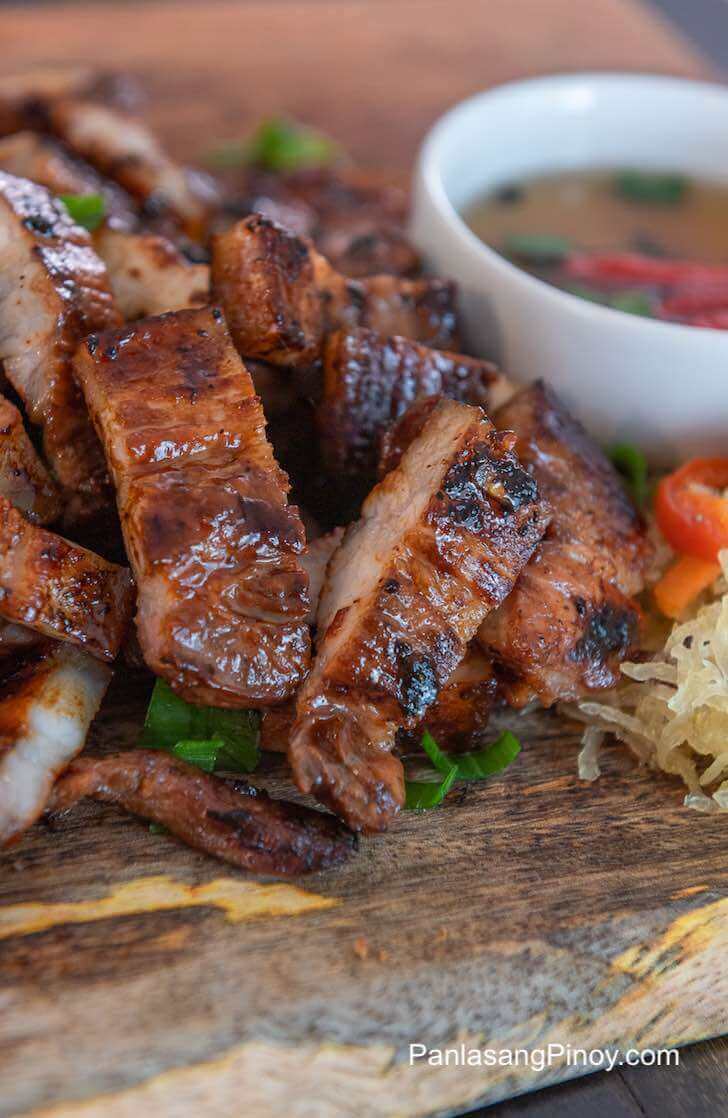
I have been cooking pork belly recipes for over three decades now, and I still get excited every time I hear that crackling sound when the skin turns golden and crispy. There is something special about this cut of meat. The layers of fat keep it juicy, the skin turns into amazing crackling, and it takes on flavor beautifully whether you fry it, roast it, grill it, or braise it.
This collection brings together 35 of my favorite pork belly recipes. I organized them by cooking method so you can easily find what you are looking for, whether you want something crispy for a celebration or something tender and saucy for a cozy weeknight dinner. Each recipe has been tested many times in my own kitchen, and I am sharing the tips I learned along the way to help you get great results every single time.
Pork belly is a boneless cut of meat from the underside of the pig. It has beautiful layers of meat and fat running through it, which is why it becomes so tender and flavorful when cooked. In the Philippines, we call it liempo, and it holds a special place in our food culture.
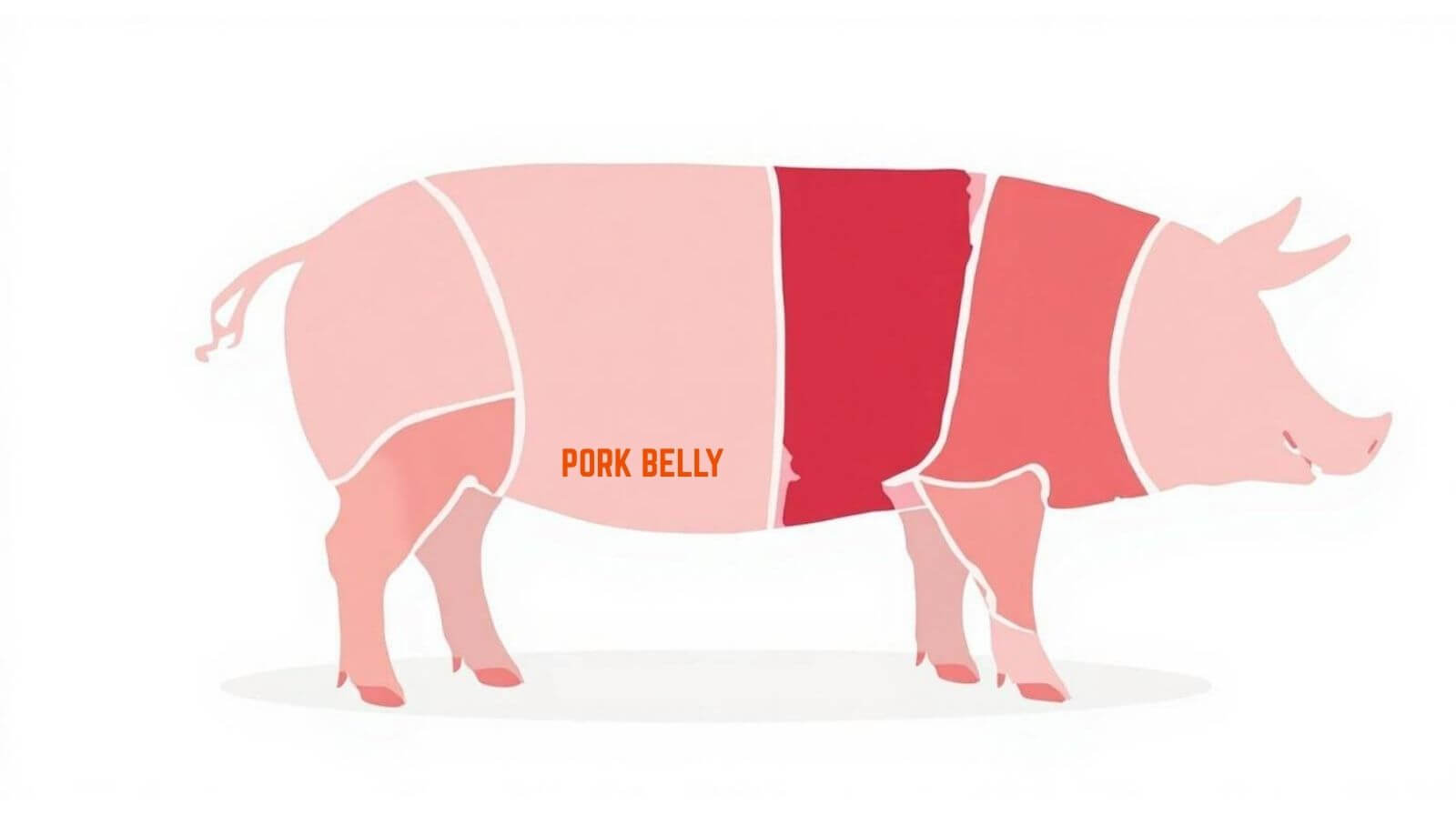
You might be wondering how pork belly is different from bacon. They actually come from the same part of the pig. The difference is that bacon is cured and smoked, while pork belly is fresh and uncured. Pork belly also comes with the skin attached, and that skin is what gives us the amazing crackling we all love in dishes like lechon kawali and bagnet.

Filipino families have been cooking liempo for generations. It shows up at birthday parties, fiestas, Christmas celebrations, and New Year gatherings. But it is also something we enjoy on regular days when we want a satisfying meal.
The versatility of pork belly is what makes it so special. You can:
No matter how you cook it, pork belly always delivers on flavor and satisfaction.
Getting good results starts with picking the right piece of pork belly at the store. After years of selecting pork belly for my recipes, here are the things I always look for:
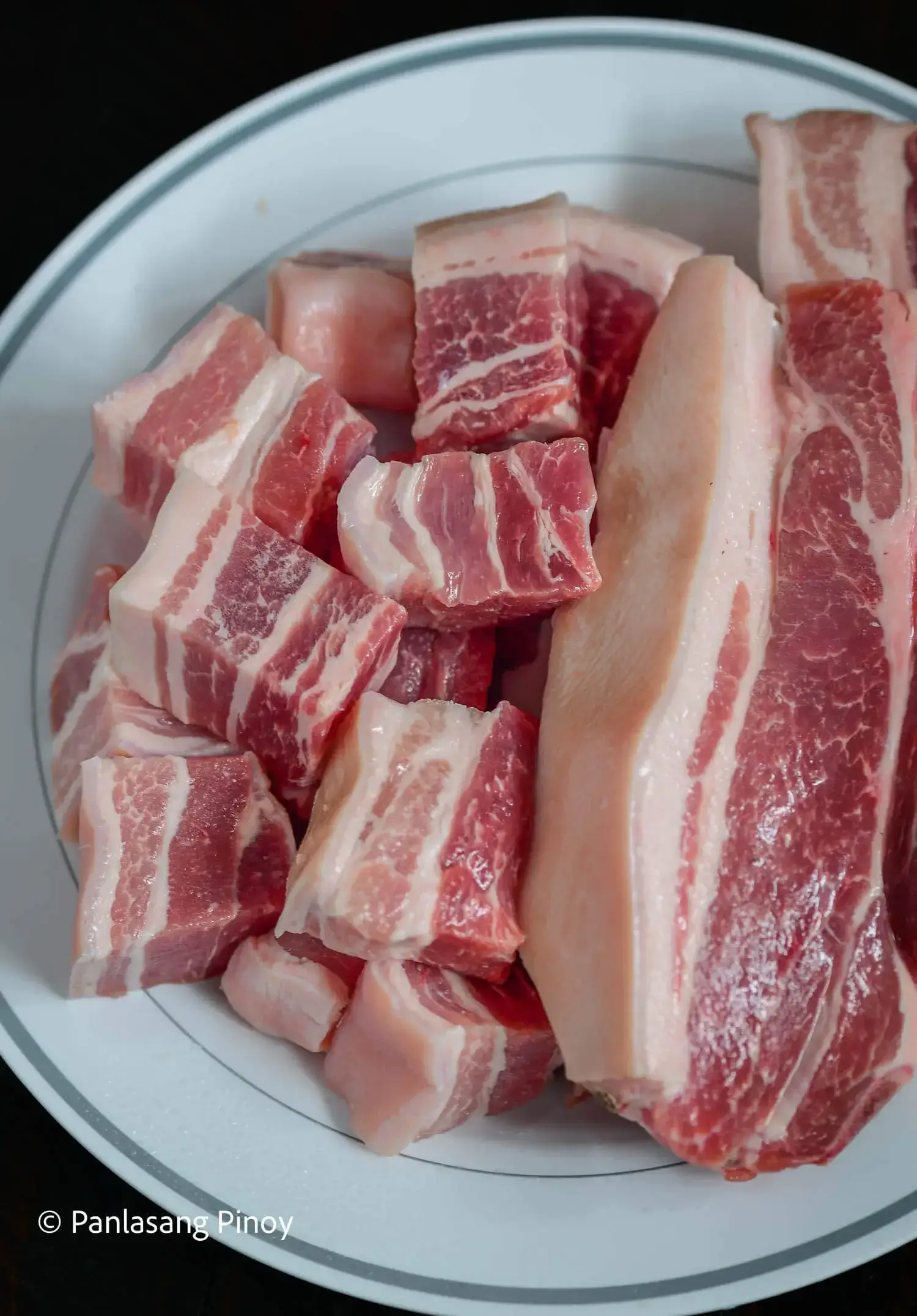
Look for a piece that is at least 1.5 inches thick and has even thickness throughout. If one end is much thinner than the other, it will cook unevenly. The thin parts might dry out before the thick parts are done. For lechon kawali, I prefer pieces that are about 2 inches thick.
A good piece of pork belly has nice alternating layers of meat and fat. This marbling is what keeps the meat juicy and gives it flavor. Avoid pieces that are mostly fat with very little meat, or pieces that are too lean. The fat renders during cooking and bastes the meat from the inside.
When possible, buy pork belly fresh from the butcher counter instead of the pre-packaged ones. Vacuum packed pork belly sits in its own juices, which makes the skin wet and wrinkled. This can affect how crispy the skin gets when you cook it.
If you can only find vacuum packed, make sure to:
The skin should be dry and relatively flat. Wrinkled or wet skin is harder to get crispy. If the skin has been scored (those shallow cuts you sometimes see), check that the cuts do not go too deep into the meat. Deep cuts can cause juices to bubble up during cooking, which prevents the skin from getting crispy.
I usually buy my pork belly from:
Before we get to the recipes, let me give you a quick overview of the main ways to cook pork belly. Each method gives you a different result, so you can choose based on what you are in the mood for.

This is the classic Filipino way. The pork is boiled first until tender, then deep fried until the skin becomes incredibly crispy. The meat stays juicy inside while the outside turns golden and crunchy. This method gives you the crispiest crackling but uses the most oil.
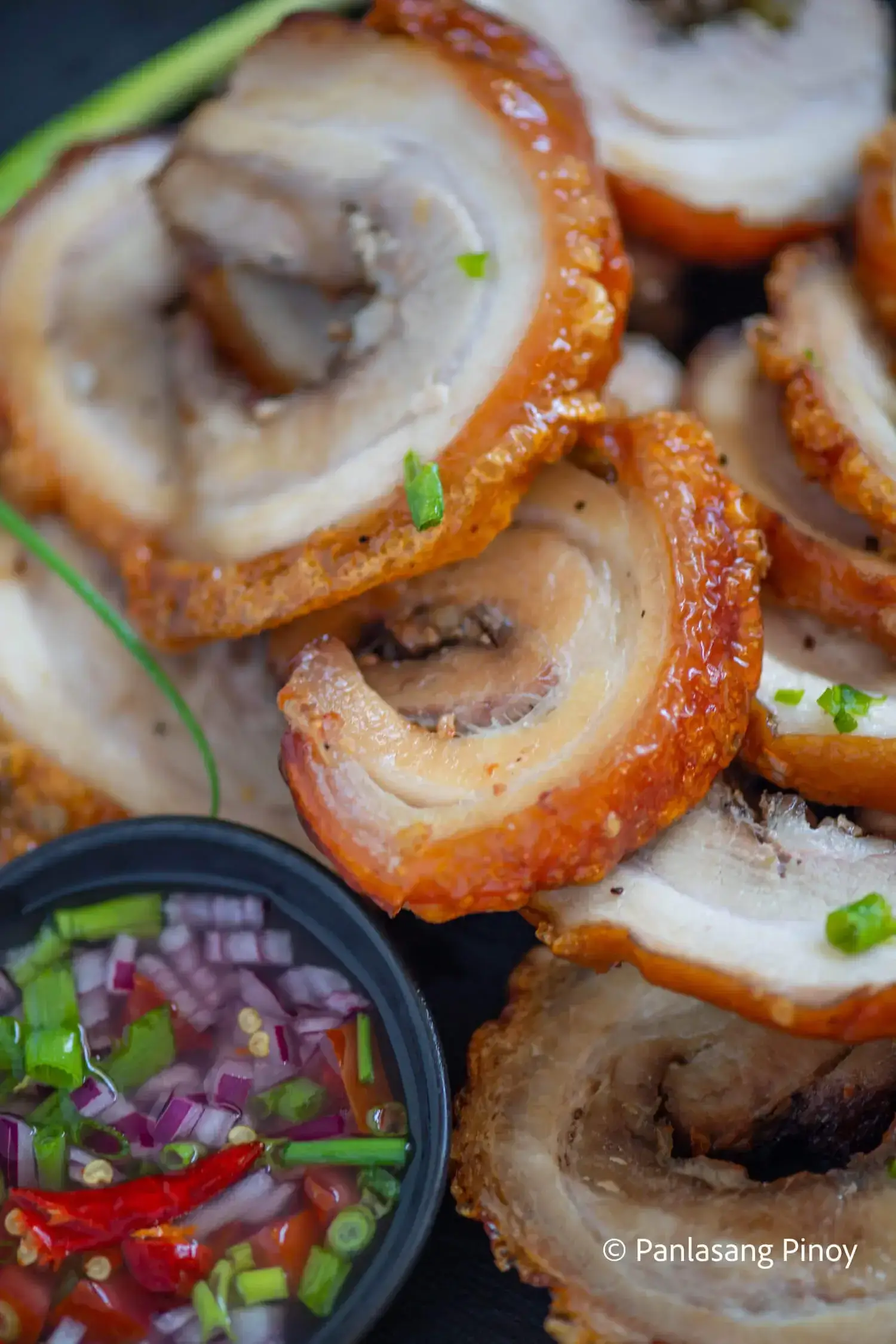
Great when you want crispy pork belly without all the oil. The pork roasts slowly in the oven, then gets blasted with high heat at the end to crisp up the skin. This is how I make Roasted Pork Belly for holiday dinners.
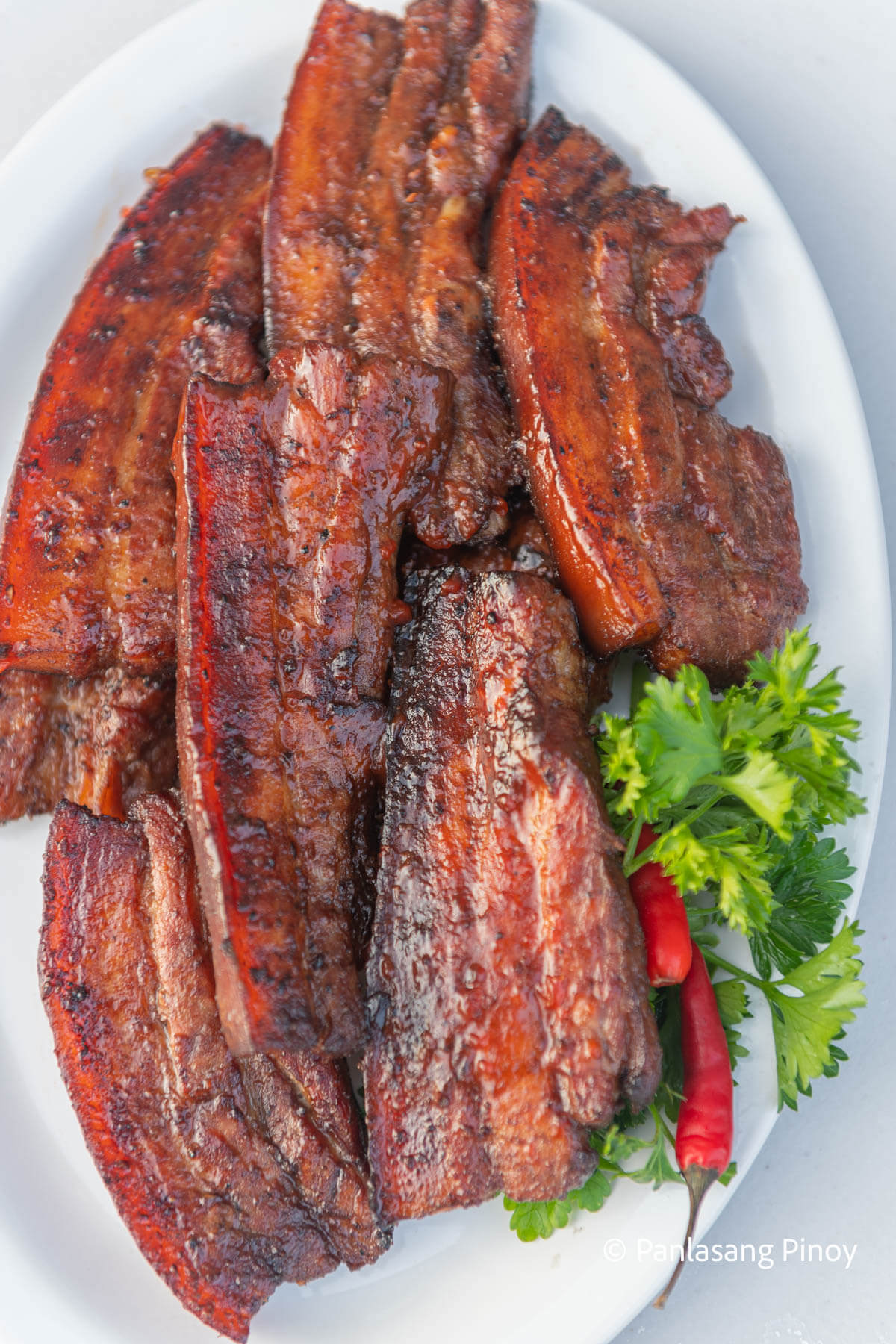
Gives pork belly a smoky, charred flavor that is hard to beat. We call this inihaw na liempo, and it is a staple at Filipino barbecues. The marinade caramelizes on the grill and creates those beautiful grill marks.
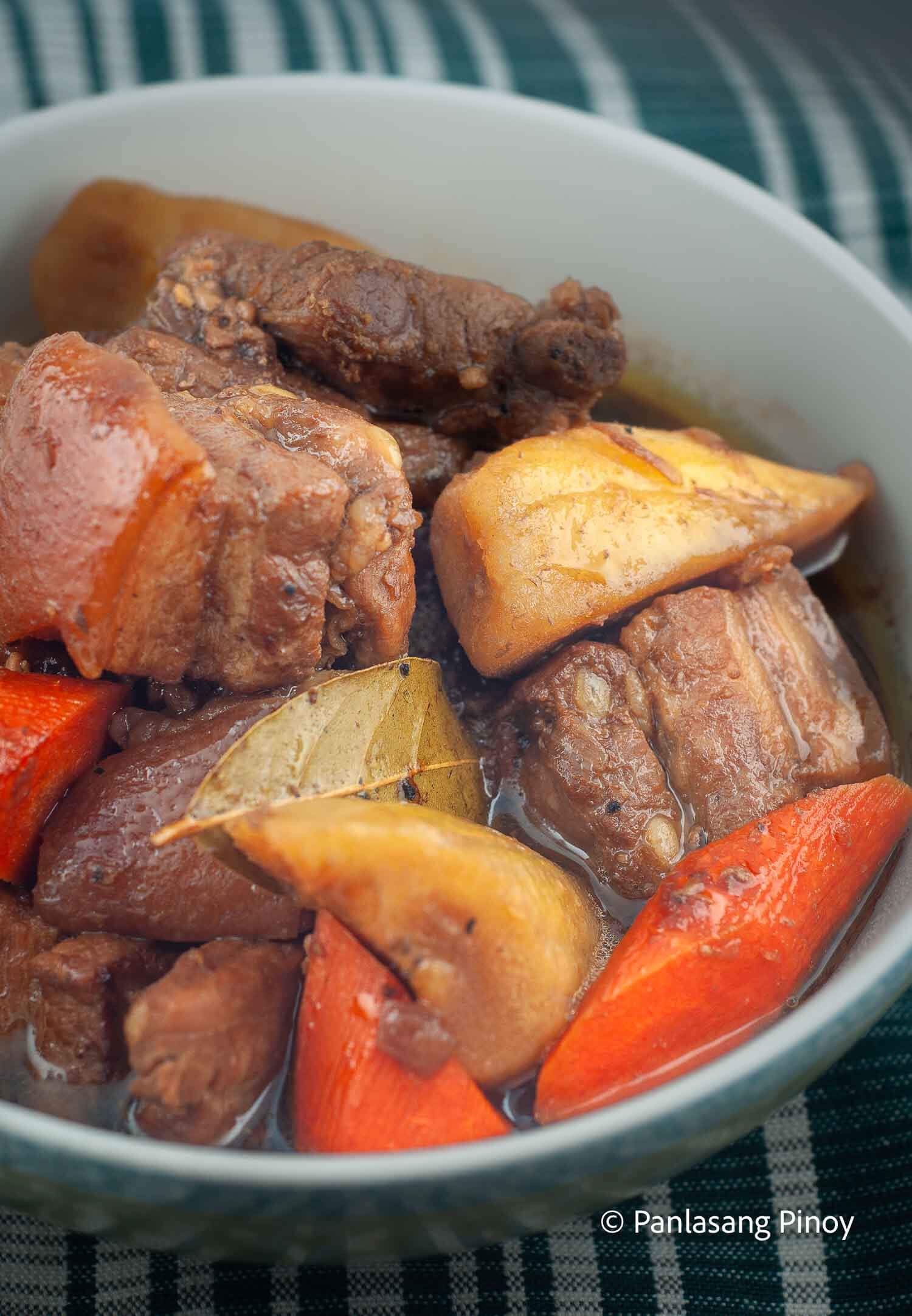
Turns pork belly into fall apart tender meat in a flavorful sauce. This is the method for pork adobo, estofado, and humba. The long, slow cooking breaks down the fat and connective tissue until the meat is incredibly soft.
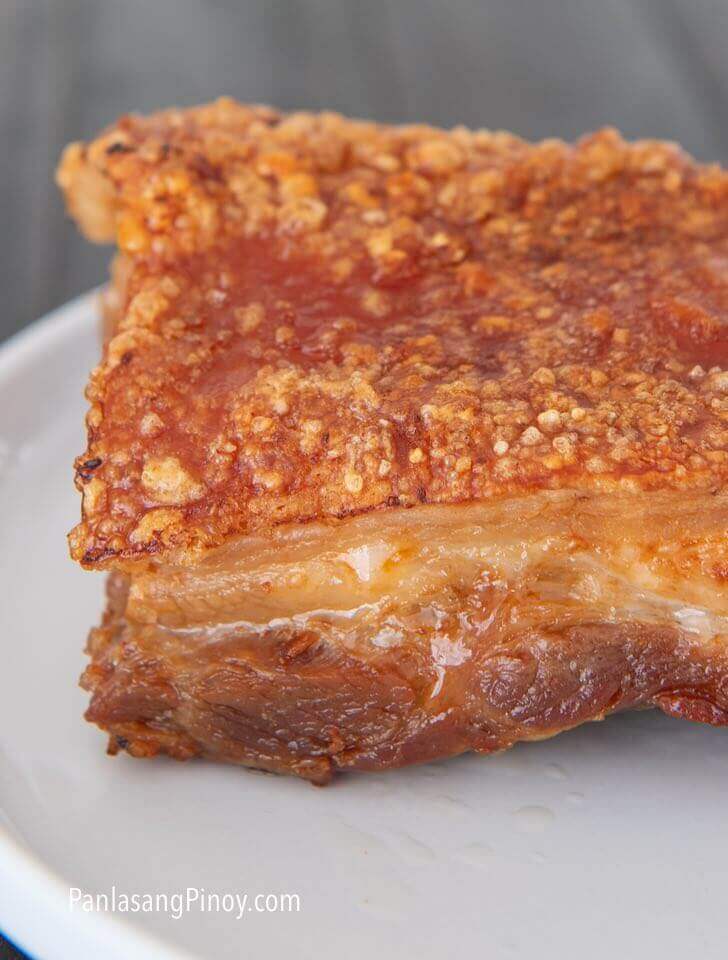
A newer method that gives you crispy results with less oil. I have been experimenting with this more lately, and the results are surprisingly good.
Nothing beats the satisfying crunch of perfectly fried pork belly. These recipes show you different ways to achieve that crispy skin and tender meat that Filipinos love so much. The key is always the same: boil until tender, dry completely, then fry until golden.
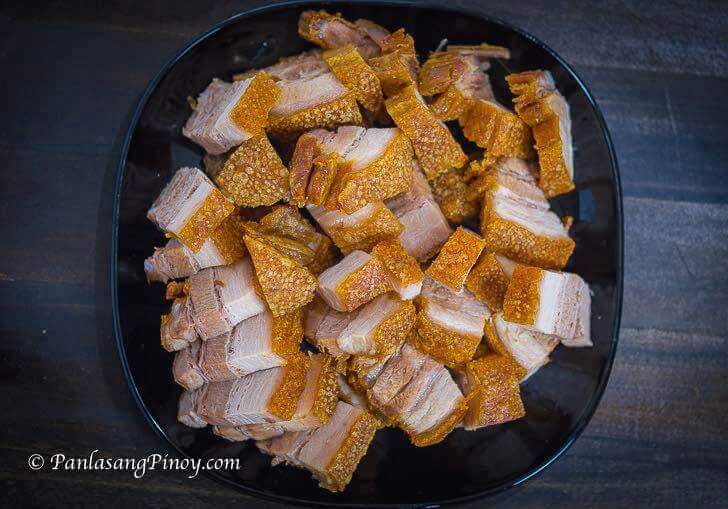
This is the classic Filipino crispy fried pork belly. The name comes from the kawali (wok) that we traditionally use to fry it. I boil the pork with bay leaves and peppercorns first, which infuses flavor into the meat. Then I fry it until the skin puffs up and turns into crackling. Serve it with lechon sauce or spiced vinegar for the best experience.
This version takes the crispiness to another level using the double fry method. Frying the pork twice gives you skin that is so crispy, it actually crackles when you tap it with a fork. The secret is letting the pork cool down completely between the first and second fry. This extra step makes all the difference.
This is my special version that I make during Christmas and other celebrations. I marinate the boiled pork in liquid seasoning before frying, which gives it extra flavor. The result is so good that you do not even need dipping sauce, though I still serve it with toyomansi on the side.
Bellychon is made in the oven instead of deep fried. The pork belly is seasoned with star anise and other aromatics, then roasted until crispy. This method uses less oil but still gives you that crunchy skin everyone loves.
This is pork belly taken to the extreme in terms of crispiness. I boil the pork until very tender, air dry it, then fry until it is crispy all the way through, almost like chicharron. It is incredibly addictive as a snack or pulutan with ice cold beer.
These are thin slices of pork belly cooked in the air fryer until they are crispy like chips. I season them with Knorr Liquid Seasoning before air frying. They make a great snack or topping for dishes like arroz caldo or lugaw.
Get the recipe:
This recipe uses a flour and cornstarch coating for extra crunch. The pork is boiled first, then dredged and fried until golden. I serve it with a chili garlic dipping sauce that my family loves. The coating gives it a different texture from regular lechon kawali.
Bagnet is the famous crispy pork belly from Ilocos. It is similar to lechon kawali but traditionally uses no seasoning at all. The pork is simply boiled and fried, letting the natural pork flavor shine through. It is best served with bagoong (fermented fish paste) and pairs perfectly with pinakbet.
This is my version of Ilocano bagnet with extra crispy skin. I use the double fry method to make sure the skin is perfectly crunchy. The inside stays tender and juicy while the outside becomes golden and crispy. I also rub some salt on the pork before frying for added flavor.
This is a detailed guide on making authentic bagnet at home. I explain the traditional method and share tips on getting the best results. If you want to learn the proper technique from start to finish, this post walks you through it step by step.
Oven roasting is my go to method when I want crispy pork belly without the mess of deep frying. The slow roasting makes the meat incredibly tender, and the high heat at the end crisps up the skin beautifully. These recipes are perfect for special occasions when you want something impressive.
This is my foolproof oven roasted pork belly recipe. I stuff the belly with lemongrass, scallions, and onions, then roll it up and roast. The aromatics infuse the meat with flavor, and brushing the skin with milk helps it turn golden brown. This is the recipe I make for New Year celebrations.
This is a lighter version that uses the broiler instead of deep frying. The pork is steamed first to make it tender, then broiled until crispy. It has less oil than lechon kawali but still satisfies that craving for crispy pork.
This creative dish combines crispy air fried liempo with pinakbet vegetables and ube. The pork is marinated with sinigang mix for a tangy flavor, then air fried until crispy. It is a complete meal in one plate and a fun twist on two classic Filipino dishes.
Grilled pork belly has a smoky, charred flavor that you cannot get from any other cooking method. The marinade caramelizes on the grill and creates those irresistible grill marks. These recipes are perfect for backyard barbecues, outdoor gatherings, or anytime you want that grilled flavor.
This is my basic grilled pork belly recipe with a simple but flavorful marinade. The pork marinates for at least an hour in soy sauce, garlic, and spices, then goes on the grill. I baste it with the remaining marinade while grilling for extra flavor. Serve it with sinangag and a fried egg for a complete meal.
This is the traditional Filipino grilled pork belly that you find at barbecue stands all over the Philippines. The marinade has soy sauce, calamansi (or lemon), garlic, and black pepper. I serve it with atchara on the side.
This is a simpler version for those busy weeknights when you still want grilled pork belly. The marinade comes together quickly, and the pork only needs to marinate for about 30 minutes. Quick, easy, and still delicious.
No outdoor grill? No problem. This recipe shows you how to get that grilled flavor using your oven. I use the broiler to mimic the high heat of a grill, and the results are surprisingly close to the real thing. Great for apartment living or rainy days.
Braised pork belly is comfort food at its finest. The long, slow cooking turns the meat incredibly tender and allows it to soak up all the flavors of the sauce. These are the dishes I make when I want something hearty and satisfying, especially on cold or rainy days.
This is the iconic Filipino dish that needs no introduction. Pork belly simmers in a mixture of soy sauce, vinegar, garlic, and bay leaves until tender. The sauce is savory, slightly tangy, and absolutely delicious over rice. This recipe is how I have been making adobo for years, and it never disappoints.
This is my stripped down version using just the core ingredients. No fancy additions, just the essential flavors that make adobo so good. I like to infuse the oil with garlic and bay leaves at the start, which makes the whole dish more aromatic. If you want to learn the fundamentals of adobo, start here.
Adding cola to adobo might sound unusual, but it works beautifully. The cola adds sweetness and helps tenderize the meat, giving the adobo a flavor similar to humba. This is a fun twist on the classic that my family really enjoys.
This is a dry version of adobo where the sauce is reduced until the pork is coated in a glossy, flavorful glaze. The pineapple juice in the marinade adds a subtle sweetness and helps tenderize the meat. The result is pork that is rich, slightly sweet, and incredibly tender. The name means “oily adobo” in Filipino.
Adding potatoes to adobo stretches the dish and makes it even more satisfying. The potatoes absorb the adobo sauce and become just as flavorful as the meat. This is a great way to make a little pork belly feed more people, and kids love it.
I developed this recipe when I wanted to eat a little less meat but still enjoy adobo. The fried tofu soaks up the sauce and adds a nice texture contrast to the tender pork. It is a good compromise when you want something lighter but still satisfying.
This is for those who love heat. I use ghost peppers to make this adobo extremely spicy. The sauce is cooked down until almost dry, leaving the pork coated in a spicy, flavorful glaze. Have a glass of milk ready. This makes excellent pulutan (beer food).
Humba is the Visayan version of braised pork belly. It is sweeter than adobo, with brown sugar, pineapple juice, and banana blossoms in the mix. The salted black beans (tausi) give it a unique savory depth that sets it apart from regular adobo. This is one of my favorite comfort foods.
This version uses cola instead of pineapple juice for the sweetness, which is how they make it in some parts of the Visayas. The cola caramelizes as it cooks and gives the pork a beautiful dark color. A regional twist on a regional dish.
This is a soy and oyster sauce braised pork belly with potatoes and bell peppers. The braising liquid becomes a rich, savory sauce that goes perfectly with rice. I love how the potatoes become soft and absorb all that flavor. A hearty one pot meal.
These recipes do not fit neatly into one category, but they are all wonderful ways to enjoy pork belly. Some combine different cooking methods, while others pair pork belly with vegetables and other ingredients for complete meals.
This dish simmers pork belly in a savory oyster sauce until tender, then adds boiled eggs at the end. The eggs soak up the sauce and become beautifully flavored. It reminds me of the braised pork dishes you find at Chinese restaurants. Great for meal prep since it reheats well.
This is a quick stir fry of pork belly with colorful bell peppers. The pork is cooked in soy sauce and oyster sauce until tender, then the peppers are added for crunch and color. It comes together in about 30 minutes, making it perfect for busy weeknights.
This is the classic sour soup made with pork belly and tamarind. The sourness of the broth cuts through the richness of the pork belly perfectly. I add lots of vegetables like kangkong, string beans, radish, and eggplant. One of the most comforting Filipino soups.
This creative dish combines two Filipino favorites: crispy liempo and sinigang. The pork belly is marinated with sinigang mix, air dried, then fried until crispy. It is served with sinigang soup and vegetables on the side. Best of both worlds in one meal.
This is what I make when I have leftover lechon kawali. The crispy pork is simmered in vinegar and lechon sauce until tender and flavorful. It is a great way to transform leftovers into something new. The sauce becomes rich and slightly sweet.
Pinakbet is a vegetable dish, but adding crispy lechon kawali takes it to another level. The crispy pork adds richness and texture that complements the vegetables perfectly. This is one of my favorite ways to eat pinakbet. The combination of vegetables and crispy pork is so satisfying.
This is kare kare made with crispy pork belly instead of the usual oxtail. The pork is fried until crispy, then served with the rich peanut sauce and vegetables. The contrast between the crispy pork and creamy sauce is amazing. Serve it with bagoong on the side.
After cooking pork belly for over 30 years, I have learned a few things that make a big difference in the final result. Here are my best tips that will help you get great results no matter which recipe you choose:
Pork belly is rich and flavorful, so I like to serve it with things that balance out that richness. Here are my favorite pairings:
Rice is essential with pork belly. Here are some options:
The right dipping sauce can elevate your pork belly:
Pickled dishes cut through the richness of pork belly:
A bowl of soup on the side helps balance a rich pork belly meal:
Let the pork belly cool to room temperature (but not more than 2 hours), then store in an airtight container in the refrigerator. It will keep for 3 to 4 days. For braised dishes like adobo, store the pork in its sauce to keep it moist.
Pork belly freezes well for up to 3 months. Here is how I do it:
The air fryer is the best way to reheat crispy pork belly and restore its crunch:
You can also use the oven:
Both are crispy fried pork belly, but there are some differences. Lechon kawali is usually seasoned before frying with salt, pepper, and aromatics in the boiling liquid. Traditional bagnet from Ilocos uses no seasoning at all. The pork is simply boiled and fried, letting the natural pork flavor shine through. Bagnet is also typically fried longer for extra crispiness and is traditionally served with bagoong.
Yes, you can use the oven or air fryer. For oven roasting, cook the pork belly at low temperature (325F to 350F) until tender, then blast it with high heat (450F or higher) to crisp up the skin. Air frying also works well for smaller pieces. Check out my Crispy Pork Belly Chips recipe for an air fryer method. The results are not exactly the same as deep frying, but still delicious.
Rubbery skin usually means one of these issues:
For best results, dry the skin in the fridge overnight and make sure your oil is at the right temperature (around 350F) before frying.
For braised recipes like adobo and humba, pork shoulder or pork butt can work. They are leaner but still have enough fat to stay moist during long cooking. For crispy recipes like lechon kawali, pork belly is really the best choice because of the skin and fat content that makes the crackling possible.
It depends on the recipe:
The pork was probably not boiled long enough before frying. The meat needs to be tender before it goes into the oil. If it is tough after frying, there is no way to fix it. Next time, boil longer until a fork slides in easily with no resistance. For a 2 pound piece of pork belly, this usually takes 45 minutes to 1 hour.
Yes, skinless pork belly works fine for braised dishes. For crispy recipes, you will not get the crackling, but the meat will still be delicious. The fat in pork belly keeps it moist and flavorful even without the skin.
I hope this collection helps you find your new favorite pork belly recipe. Each one has been tested and enjoyed by my family over the years, and I know you will love them too. If you have questions about any of these recipes or want to share how yours turned out, leave a comment below and I will do my best to help.
Happy cooking!
This post may contain affiliate links. Please read our disclosure policy.
Pork belly recipes are some of the most beloved dishes in Filipino cooking. If you have ever bitten into a piece of perfectly crispy lechon kawali or enjoyed tender pork adobo with rice, you know exactly what I mean. Pork belly, or liempo as we call it in the Philippines, is the star of countless family gatherings and everyday meals.
I have been cooking pork belly recipes for over three decades now, and I still get excited every time I hear that crackling sound when the skin turns golden and crispy. There is something special about this cut of meat. The layers of fat keep it juicy, the skin turns into amazing crackling, and it takes on flavor beautifully whether you fry it, roast it, grill it, or braise it.
This collection brings together 35 of my favorite pork belly recipes. I organized them by cooking method so you can easily find what you are looking for, whether you want something crispy for a celebration or something tender and saucy for a cozy weeknight dinner. Each recipe has been tested many times in my own kitchen, and I am sharing the tips I learned along the way to help you get great results every single time.
Pork belly is a boneless cut of meat from the underside of the pig. It has beautiful layers of meat and fat running through it, which is why it becomes so tender and flavorful when cooked. In the Philippines, we call it liempo, and it holds a special place in our food culture.
You might be wondering how pork belly is different from bacon. They actually come from the same part of the pig. The difference is that bacon is cured and smoked, while pork belly is fresh and uncured. Pork belly also comes with the skin attached, and that skin is what gives us the amazing crackling we all love in dishes like lechon kawali and bagnet.
Filipino families have been cooking liempo for generations. It shows up at birthday parties, fiestas, Christmas celebrations, and New Year gatherings. But it is also something we enjoy on regular days when we want a satisfying meal.
The versatility of pork belly is what makes it so special. You can:
No matter how you cook it, pork belly always delivers on flavor and satisfaction.
Getting good results starts with picking the right piece of pork belly at the store. After years of selecting pork belly for my recipes, here are the things I always look for:
Look for a piece that is at least 1.5 inches thick and has even thickness throughout. If one end is much thinner than the other, it will cook unevenly. The thin parts might dry out before the thick parts are done. For lechon kawali, I prefer pieces that are about 2 inches thick.
A good piece of pork belly has nice alternating layers of meat and fat. This marbling is what keeps the meat juicy and gives it flavor. Avoid pieces that are mostly fat with very little meat, or pieces that are too lean. The fat renders during cooking and bastes the meat from the inside.
When possible, buy pork belly fresh from the butcher counter instead of the pre-packaged ones. Vacuum packed pork belly sits in its own juices, which makes the skin wet and wrinkled. This can affect how crispy the skin gets when you cook it.
If you can only find vacuum packed, make sure to:
The skin should be dry and relatively flat. Wrinkled or wet skin is harder to get crispy. If the skin has been scored (those shallow cuts you sometimes see), check that the cuts do not go too deep into the meat. Deep cuts can cause juices to bubble up during cooking, which prevents the skin from getting crispy.
I usually buy my pork belly from:
Before we get to the recipes, let me give you a quick overview of the main ways to cook pork belly. Each method gives you a different result, so you can choose based on what you are in the mood for.
This is the classic Filipino way. The pork is boiled first until tender, then deep fried until the skin becomes incredibly crispy. The meat stays juicy inside while the outside turns golden and crunchy. This method gives you the crispiest crackling but uses the most oil.
Great when you want crispy pork belly without all the oil. The pork roasts slowly in the oven, then gets blasted with high heat at the end to crisp up the skin. This is how I make Roasted Pork Belly for holiday dinners.
Gives pork belly a smoky, charred flavor that is hard to beat. We call this inihaw na liempo, and it is a staple at Filipino barbecues. The marinade caramelizes on the grill and creates those beautiful grill marks.
Turns pork belly into fall apart tender meat in a flavorful sauce. This is the method for pork adobo, estofado, and humba. The long, slow cooking breaks down the fat and connective tissue until the meat is incredibly soft.
A newer method that gives you crispy results with less oil. I have been experimenting with this more lately, and the results are surprisingly good.
Nothing beats the satisfying crunch of perfectly fried pork belly. These recipes show you different ways to achieve that crispy skin and tender meat that Filipinos love so much. The key is always the same: boil until tender, dry completely, then fry until golden.
This is the classic Filipino crispy fried pork belly. The name comes from the kawali (wok) that we traditionally use to fry it. I boil the pork with bay leaves and peppercorns first, which infuses flavor into the meat. Then I fry it until the skin puffs up and turns into crackling. Serve it with lechon sauce or spiced vinegar for the best experience.
This version takes the crispiness to another level using the double fry method. Frying the pork twice gives you skin that is so crispy, it actually crackles when you tap it with a fork. The secret is letting the pork cool down completely between the first and second fry. This extra step makes all the difference.
This is my special version that I make during Christmas and other celebrations. I marinate the boiled pork in liquid seasoning before frying, which gives it extra flavor. The result is so good that you do not even need dipping sauce, though I still serve it with toyomansi on the side.
Bellychon is made in the oven instead of deep fried. The pork belly is seasoned with star anise and other aromatics, then roasted until crispy. This method uses less oil but still gives you that crunchy skin everyone loves.
This is pork belly taken to the extreme in terms of crispiness. I boil the pork until very tender, air dry it, then fry until it is crispy all the way through, almost like chicharron. It is incredibly addictive as a snack or pulutan with ice cold beer.
These are thin slices of pork belly cooked in the air fryer until they are crispy like chips. I season them with Knorr Liquid Seasoning before air frying. They make a great snack or topping for dishes like arroz caldo or lugaw.
Get the recipe:
This recipe uses a flour and cornstarch coating for extra crunch. The pork is boiled first, then dredged and fried until golden. I serve it with a chili garlic dipping sauce that my family loves. The coating gives it a different texture from regular lechon kawali.
Bagnet is the famous crispy pork belly from Ilocos. It is similar to lechon kawali but traditionally uses no seasoning at all. The pork is simply boiled and fried, letting the natural pork flavor shine through. It is best served with bagoong (fermented fish paste) and pairs perfectly with pinakbet.
This is my version of Ilocano bagnet with extra crispy skin. I use the double fry method to make sure the skin is perfectly crunchy. The inside stays tender and juicy while the outside becomes golden and crispy. I also rub some salt on the pork before frying for added flavor.
This is a detailed guide on making authentic bagnet at home. I explain the traditional method and share tips on getting the best results. If you want to learn the proper technique from start to finish, this post walks you through it step by step.
Oven roasting is my go to method when I want crispy pork belly without the mess of deep frying. The slow roasting makes the meat incredibly tender, and the high heat at the end crisps up the skin beautifully. These recipes are perfect for special occasions when you want something impressive.
This is my foolproof oven roasted pork belly recipe. I stuff the belly with lemongrass, scallions, and onions, then roll it up and roast. The aromatics infuse the meat with flavor, and brushing the skin with milk helps it turn golden brown. This is the recipe I make for New Year celebrations.
This is a lighter version that uses the broiler instead of deep frying. The pork is steamed first to make it tender, then broiled until crispy. It has less oil than lechon kawali but still satisfies that craving for crispy pork.
This creative dish combines crispy air fried liempo with pinakbet vegetables and ube. The pork is marinated with sinigang mix for a tangy flavor, then air fried until crispy. It is a complete meal in one plate and a fun twist on two classic Filipino dishes.
Grilled pork belly has a smoky, charred flavor that you cannot get from any other cooking method. The marinade caramelizes on the grill and creates those irresistible grill marks. These recipes are perfect for backyard barbecues, outdoor gatherings, or anytime you want that grilled flavor.
This is my basic grilled pork belly recipe with a simple but flavorful marinade. The pork marinates for at least an hour in soy sauce, garlic, and spices, then goes on the grill. I baste it with the remaining marinade while grilling for extra flavor. Serve it with sinangag and a fried egg for a complete meal.
This is the traditional Filipino grilled pork belly that you find at barbecue stands all over the Philippines. The marinade has soy sauce, calamansi (or lemon), garlic, and black pepper. I serve it with atchara on the side.
This is a simpler version for those busy weeknights when you still want grilled pork belly. The marinade comes together quickly, and the pork only needs to marinate for about 30 minutes. Quick, easy, and still delicious.
No outdoor grill? No problem. This recipe shows you how to get that grilled flavor using your oven. I use the broiler to mimic the high heat of a grill, and the results are surprisingly close to the real thing. Great for apartment living or rainy days.
Braised pork belly is comfort food at its finest. The long, slow cooking turns the meat incredibly tender and allows it to soak up all the flavors of the sauce. These are the dishes I make when I want something hearty and satisfying, especially on cold or rainy days.
This is the iconic Filipino dish that needs no introduction. Pork belly simmers in a mixture of soy sauce, vinegar, garlic, and bay leaves until tender. The sauce is savory, slightly tangy, and absolutely delicious over rice. This recipe is how I have been making adobo for years, and it never disappoints.
This is my stripped down version using just the core ingredients. No fancy additions, just the essential flavors that make adobo so good. I like to infuse the oil with garlic and bay leaves at the start, which makes the whole dish more aromatic. If you want to learn the fundamentals of adobo, start here.
Adding cola to adobo might sound unusual, but it works beautifully. The cola adds sweetness and helps tenderize the meat, giving the adobo a flavor similar to humba. This is a fun twist on the classic that my family really enjoys.
This is a dry version of adobo where the sauce is reduced until the pork is coated in a glossy, flavorful glaze. The pineapple juice in the marinade adds a subtle sweetness and helps tenderize the meat. The result is pork that is rich, slightly sweet, and incredibly tender. The name means “oily adobo” in Filipino.
Adding potatoes to adobo stretches the dish and makes it even more satisfying. The potatoes absorb the adobo sauce and become just as flavorful as the meat. This is a great way to make a little pork belly feed more people, and kids love it.
I developed this recipe when I wanted to eat a little less meat but still enjoy adobo. The fried tofu soaks up the sauce and adds a nice texture contrast to the tender pork. It is a good compromise when you want something lighter but still satisfying.
This is for those who love heat. I use ghost peppers to make this adobo extremely spicy. The sauce is cooked down until almost dry, leaving the pork coated in a spicy, flavorful glaze. Have a glass of milk ready. This makes excellent pulutan (beer food).
Humba is the Visayan version of braised pork belly. It is sweeter than adobo, with brown sugar, pineapple juice, and banana blossoms in the mix. The salted black beans (tausi) give it a unique savory depth that sets it apart from regular adobo. This is one of my favorite comfort foods.
This version uses cola instead of pineapple juice for the sweetness, which is how they make it in some parts of the Visayas. The cola caramelizes as it cooks and gives the pork a beautiful dark color. A regional twist on a regional dish.
This is a soy and oyster sauce braised pork belly with potatoes and bell peppers. The braising liquid becomes a rich, savory sauce that goes perfectly with rice. I love how the potatoes become soft and absorb all that flavor. A hearty one pot meal.
These recipes do not fit neatly into one category, but they are all wonderful ways to enjoy pork belly. Some combine different cooking methods, while others pair pork belly with vegetables and other ingredients for complete meals.
This dish simmers pork belly in a savory oyster sauce until tender, then adds boiled eggs at the end. The eggs soak up the sauce and become beautifully flavored. It reminds me of the braised pork dishes you find at Chinese restaurants. Great for meal prep since it reheats well.
This is a quick stir fry of pork belly with colorful bell peppers. The pork is cooked in soy sauce and oyster sauce until tender, then the peppers are added for crunch and color. It comes together in about 30 minutes, making it perfect for busy weeknights.
This is the classic sour soup made with pork belly and tamarind. The sourness of the broth cuts through the richness of the pork belly perfectly. I add lots of vegetables like kangkong, string beans, radish, and eggplant. One of the most comforting Filipino soups.
This creative dish combines two Filipino favorites: crispy liempo and sinigang. The pork belly is marinated with sinigang mix, air dried, then fried until crispy. It is served with sinigang soup and vegetables on the side. Best of both worlds in one meal.
This is what I make when I have leftover lechon kawali. The crispy pork is simmered in vinegar and lechon sauce until tender and flavorful. It is a great way to transform leftovers into something new. The sauce becomes rich and slightly sweet.
Pinakbet is a vegetable dish, but adding crispy lechon kawali takes it to another level. The crispy pork adds richness and texture that complements the vegetables perfectly. This is one of my favorite ways to eat pinakbet. The combination of vegetables and crispy pork is so satisfying.
This is kare kare made with crispy pork belly instead of the usual oxtail. The pork is fried until crispy, then served with the rich peanut sauce and vegetables. The contrast between the crispy pork and creamy sauce is amazing. Serve it with bagoong on the side.
After cooking pork belly for over 30 years, I have learned a few things that make a big difference in the final result. Here are my best tips that will help you get great results no matter which recipe you choose:
Pork belly is rich and flavorful, so I like to serve it with things that balance out that richness. Here are my favorite pairings:
Rice is essential with pork belly. Here are some options:
The right dipping sauce can elevate your pork belly:
Pickled dishes cut through the richness of pork belly:
A bowl of soup on the side helps balance a rich pork belly meal:
Let the pork belly cool to room temperature (but not more than 2 hours), then store in an airtight container in the refrigerator. It will keep for 3 to 4 days. For braised dishes like adobo, store the pork in its sauce to keep it moist.
Pork belly freezes well for up to 3 months. Here is how I do it:
The air fryer is the best way to reheat crispy pork belly and restore its crunch:
You can also use the oven:
Both are crispy fried pork belly, but there are some differences. Lechon kawali is usually seasoned before frying with salt, pepper, and aromatics in the boiling liquid. Traditional bagnet from Ilocos uses no seasoning at all. The pork is simply boiled and fried, letting the natural pork flavor shine through. Bagnet is also typically fried longer for extra crispiness and is traditionally served with bagoong.
Yes, you can use the oven or air fryer. For oven roasting, cook the pork belly at low temperature (325F to 350F) until tender, then blast it with high heat (450F or higher) to crisp up the skin. Air frying also works well for smaller pieces. Check out my Crispy Pork Belly Chips recipe for an air fryer method. The results are not exactly the same as deep frying, but still delicious.
Rubbery skin usually means one of these issues:
For best results, dry the skin in the fridge overnight and make sure your oil is at the right temperature (around 350F) before frying.
For braised recipes like adobo and humba, pork shoulder or pork butt can work. They are leaner but still have enough fat to stay moist during long cooking. For crispy recipes like lechon kawali, pork belly is really the best choice because of the skin and fat content that makes the crackling possible.
It depends on the recipe:
The pork was probably not boiled long enough before frying. The meat needs to be tender before it goes into the oil. If it is tough after frying, there is no way to fix it. Next time, boil longer until a fork slides in easily with no resistance. For a 2 pound piece of pork belly, this usually takes 45 minutes to 1 hour.
Yes, skinless pork belly works fine for braised dishes. For crispy recipes, you will not get the crackling, but the meat will still be delicious. The fat in pork belly keeps it moist and flavorful even without the skin.
I hope this collection helps you find your new favorite pork belly recipe. Each one has been tested and enjoyed by my family over the years, and I know you will love them too. If you have questions about any of these recipes or want to share how yours turned out, leave a comment below and I will do my best to help.
Happy cooking!